Top Trusted Lens Edging Pads Manufacturer & Factories

Engineering high-torque anti-slip blocking pads, precision lab consumables, and optical retail finishing accessories for automated edging lines.

Factory Direct Catalog

Precision Optical Lab Supplies & Accessories

Explore precision-engineered lens edging pads, specialized workshop adjustment equipment, and custom branded optical dispensary accessories.
0.02mm
Adhesive Die-Cutting Caliper Control
<0.05%
Hydrophobic Edging Slippage Rate
100%
Residue-Free Delamination Guarantee
24h
Global B2B Inquiry Processing
Technical Whitepaper

Precision Lens Edging Pads: Engineering Dynamics & Hydrophobic Solutions

A rigorous metallurgical and chemical evaluation of high-torque shear resistance during modern computerized lens surfacing and edging cycles.

The Evolution of Surface Chemistry in Lens Edging Consumables

In high-volume optical production, modern prescription lenses feature advanced multi-stack coatings: anti-reflective (AR), super-hydrophobic, oleophobic, and anti-static fluoropolymer matrix layers. While these nanometer-scale topcoats deliver unmatched visual clarity and smudge resistance to the patient, they present an intense physical challenge to optical edging laboratories. With water contact angles exceeding 115 degrees, standard acrylic adhesives experience boundary lubrication breakdown under torque pressures applied by diamond grinding wheels.

"Lens slippage during the roughing and beveling cycle generates axis deviations. An angular shift of even 1.5 degrees on a progressive addition lens (PAL) renders the finished medical device out of tolerance according to ANSI Z80.1 and ISO 21987 standards."

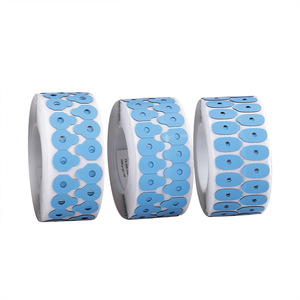
Our factory utilizes a proprietary three-layer engineered composite: a high-density, closed-cell cross-linked polyethylene (PE) core laminated with differential pressure-sensitive adhesives (PSA). The block-facing adhesive demonstrates aggressive initial tack and exceptional holding power against metallic and composite blocks (Essilor, Nidek, MEI, WECO, Briot, and Santinelli interfaces). Conversely, the lens-facing contact adhesive incorporates a specialized silicone-modified acrylic copolymer formulated to chemically bond to super-hydrophobic fluoropolymer topcoats without causing coating crazing or leaving viscoelastic chemical residue upon de-blocking.

Future Procurement Trends

Global optical laboratories are shifting from generic adhesive tapes to pre-calibrated, machine-specific blocking pads. Automated block-loading cassettes and high-volume roll dispensers demand tighter roll tension stability, non-static release liners, and uniform dielectric thicknesses to prevent auto-loader jams.

Eco-Friendly & Residue-Free Formulations

The manufacturing trend points toward solvent-free emulsion coatings and bio-based foam substrates. As environmental VOC discharge standards tighten across North American and European production hubs, hot-melt UV-curable acrylic adhesives are replacing solvent-cast resins without sacrificing torsional shear performance.

Comprehensive Bench Solutions

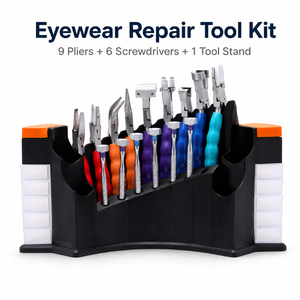
Modern procurement directors streamline supply chains by bundling consumable edging pads with optical adjustment hand tools, anti-reflective safe lens maintenance sprays, and dispensary branded packaging to optimize freight consolidations and ensure uniform quality standards.

Factory Advantage

Why Tier-1 Labs Partner With Our Manufacturing Facilities

Combining rigorous ISO 9001 quality infrastructure with localized inventory responsiveness and bespoke OEM capability.

Direct Manufacturing Authority

Unlike trading intermediaries, our production centers operate precision rotary die-cutting machines, state-of-the-art clean-room laminators, and automated web-guiding inspection tools ensuring tight tolerance on inner and outer diameters.

Pre-Production Proof Approval

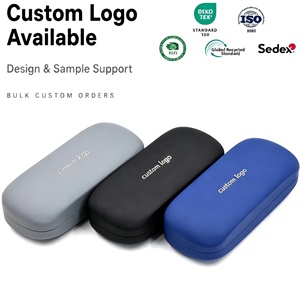
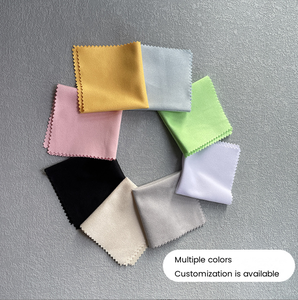
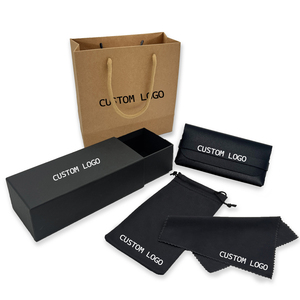
True accountability on custom-printed dispensary accessories. From pad printing on rigid cases to screen printing on high-density microfiber cloths, photographic and dimensional proof approvals are guaranteed before volume production begins.

Rapid B2B Fulfillment Agility

Dedicated enterprise client account support. Complete fulfillment assistance covering Canadian, North American, and European wholesale hubs, with 1-business-day response windows for quotes, customs compliance, and tracking.

Procurement Guide

Frequently Asked Questions for Optical Buyers

Essential technical clarifications regarding pad adhesion, coating compatibility, and wholesale purchasing terms.

What causes axis slippage (twisting) during high-speed lens edging? +
Axis slippage typically occurs due to three variables: inadequate shear strength of the foam core, poor surface energy matching between the adhesive and super-hydrophobic lens coatings, or excessive mechanical clamping pressure causing foam compression failure. Our 1.0mm blue blocking pads utilize high-density cross-linked polyethylene with high-tack differential adhesive engineered to absorb diamond wheel torque loads up to 18 N·m without rotational deformation.
Are special anti-slip booster films required when edging super-hydrophobic AR lenses? +
For standard hydrophobic layers, our blue 1.0mm blocking pads bond directly without secondary films. For ultra-slippery topcoats (fluorocarbon contact angle >115°), we manufacture complementary transparent hydrophobic anti-slip disc overlays. These clear electrostatic discs act as an intermediary anchor layer, completely neutralizing surface slip while leaving zero residue on expensive multi-coated lenses.
Which edging systems and block geometries are compatible with your pad inventory? +
We manufacture die-cut shapes compatible with all standard edging equipment lines, including Essilor Delta/Kappa/Mr. Blue/Mr. Orange, Nidek ME/Lex/ICE series, WECO, Briot Alta/Attitude, Santinelli, and industrial MEI milling machines. Standard stock sizes include 18mm round, 24mm half-eye, 17x25mm oval, and 14mm mini-blocks for steep base-curve wrap sunglasses and tight rimless contours.
What is the shelf life and storage protocol for optical adhesive consumables? +
Under recommended storage conditions (21°C ± 3°C, 40-50% relative humidity, away from direct sunlight), our edging pads maintain peak performance for 24 months. Each roll is hermetically sealed in vapor-barrier packaging with desiccant to prevent moisture absorption and adhesive softening during marine shipping.
How does your factory handle custom branding on optical dispensary accessories? +
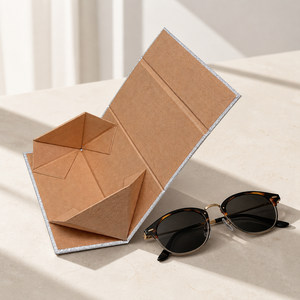
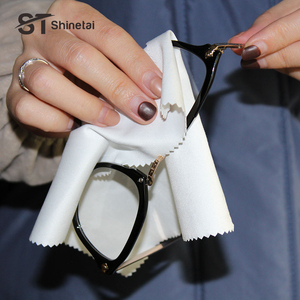
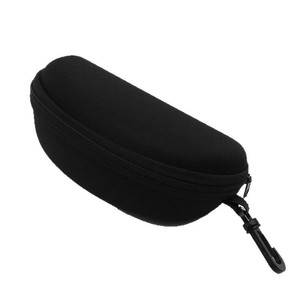
For retail dispensary goods—including hard-shell eyeglass cases, microfiber cleaning cloths, optical sprays, and travel pouches—we support pad printing, screen printing, debossing, and full-bleed dye sublimation. Prior to physical mass production, our quality team provides high-resolution photographic proofing of the actual sample for color-matching (Pantone matching system) and placement approval.
What are your minimum order quantities (MOQs) and production lead times? +
Standard rolls of edging pads maintain continuous stock for rapid dispatch. Custom die-cut shapes, specialized thicknesses, or private-label retail kits feature low trial minimums (starting from 500–1,000 units depending on customization tier). Standard factory lead times average 7–14 business days, backed by sea, air, and priority courier shipping logistics.

Upgrade Your Lab Efficiency with Certified Edging Consumables

Eliminate slippage re-dos, protect multi-coated optics, and supply your workshop with industry-tested optical consumables. Download our technical specifications and wholesale product matrix today.

Get Catalog