
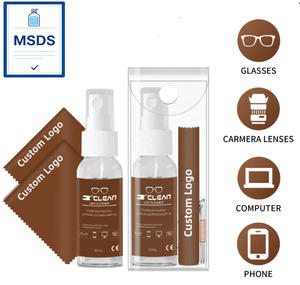
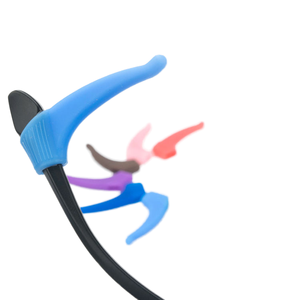
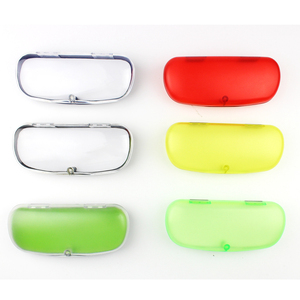
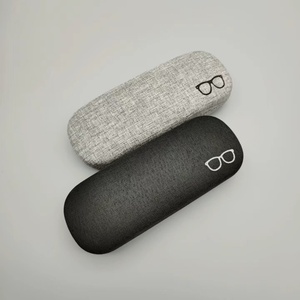
Explore our core product line spanning lens sprays, anti-slip ergonomic components, laboratory edger pads, protective cases, and eco-packaging engineered for ophthalmic laboratories and eye care practices.
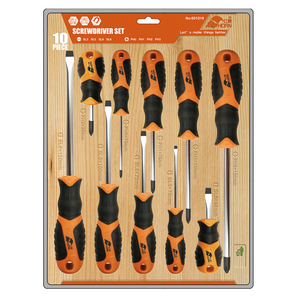

Our engineering and production team coordinates vector artwork alignment, bottle screen printing, private labeling, and chemical certification documentation before production release.
Send an InquiryFrom chemical blending cleanrooms to high-precision pad printing on rigid cases, our end-to-end industrial architecture ensures zero batch-to-batch variation.
Formulated without harsh alcohols, ammonias, or caustic surfactants. Rigorously tested on high-index polycarbonate, trivex, and anti-static vacuum coatings to eliminate delamination risks.
We eliminate alignment and color shift issues. High-resolution photographic proofs of physical print samples are supplied for buyer approval before any bulk production run commences.
Bundle your lens cleaning sprays with microfiber lens cloths, magnetic iron cases, slip pouches, and repair nosepads in unified ocean or air containers to minimize freight logistics overhead.
Dedicated technical account managers provide formulation compliance data, safety data sheets (SDS), packaging CAD templates, and FOB/DDP quotes within one business day.
Strategic purchasing guidelines for optical chains, retail dispensaries, and institutional buyers adjusting to technical shifts across global supply chains.
Global optical retail conglomerates are phasing out fluorinated chemicals and non-recyclable spray actuators. Corporate procurement criteria now prioritize plant-based amphoteric surfactants and bio-derived degreasers that leave micro-thin anti-static shields without VOC hazards.
Optometry clinics in North America and Europe are utilizing 30ml and 60ml travel sprayers as customer retention drivers by providing in-clinic free fluid refill stations. This structural shift moves purchasing from single-use kits toward high-volume 5-gallon master drums combined with durable aluminum pump atomizers.
Following post-pandemic hygiene shifts and increased sports/safety eyewear usage, cleaning formulas must deliver dual-action performance: immediate residue emulsification along with a hydrophilic nanofilm that lowers surface tension to prevent condensation fogging under high-humidity conditions.
A rigorous examination of material innovations, edge-finishing methods, and manufacturing standards governing modern optical maintenance systems.
Standard circular knit fabrics are giving way to high-density 80/20 polyester/polyamide conjugated split fibers with wedge-shaped capillary cross sections. High-frequency ultrasonic laser slitting melts yarn borders instantly, preventing edge unraveling and microscopic particulate contamination that can scratch delicate AR topcoats during dry wiping.
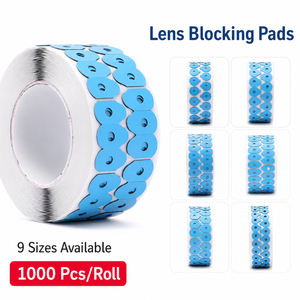
Modern hydrophobic and oleophobic ophthalmic lens coatings present severe axis-slippage risks during high-speed CNC generator lens edging. Next-generation blocking pads combine high-shear modified acrylic adhesives with crosslinked polyethylene foam cores, providing absolute torque resistance without leaving adhesive ghosting on the front lens base curve.
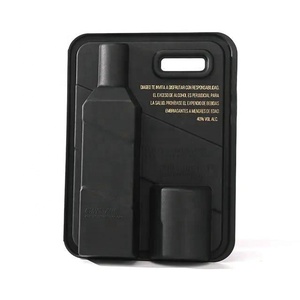
Environmental packaging legislation across the EU and North America is expediting the replacement of thermoformed PVC/EVA packaging trays with biodegradable molded sugarcane bagasse and recycled virgin pulp inserts. These custom CNC-milled pulp cavities provide drop protection and tailored nesting for cleaner bottles, cloths, and frame cases alike.
Direct answers covering chemical compliance, minimum order quantities, private-label proofing, and logistics consolidation.
Partner directly with a reliable China optical cleaner kit manufacturer. Receive formulation specs, tailored packaging mockups, and wholesale tier pricing within 24 hours.