
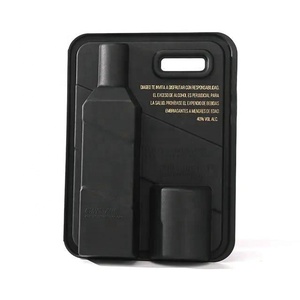
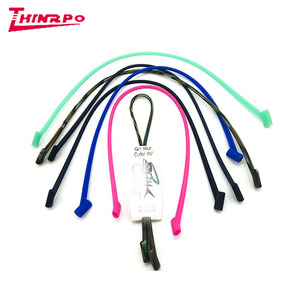
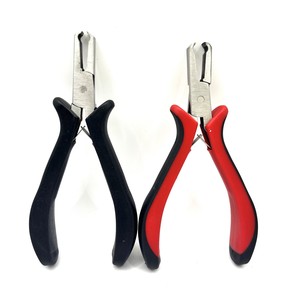
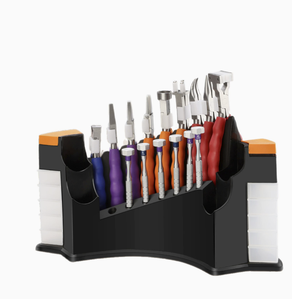
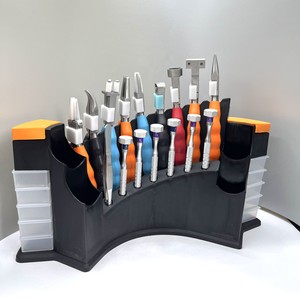
Alongside high-performance suede microfiber textiles, our integrated OEM/ODM manufacturing lines furnish comprehensive dispensing counter essentials—from CNC molded pulp eco-packaging to cleanroom optical assembly tools.
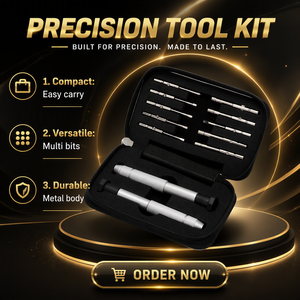
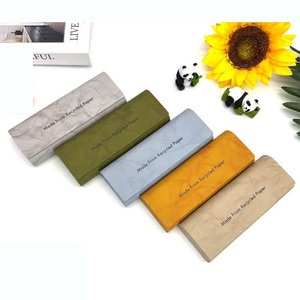
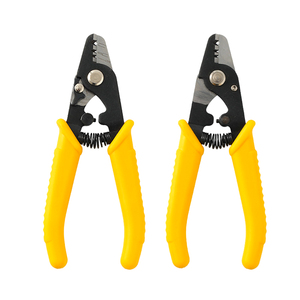
Why optical laboratories, multi-coated lens manufacturers, and luxury eyewear houses prefer high-density brushed suede microfiber over standard woven textiles for hydrophobic, oleophobic, and anti-reflective (AR) surface protection.
Our OEM suede cloths utilize an 80% polyester, 20% polyamide composite conjugate fiber split at ultra-high pressures. Polyester creates structural matrix rigidity, while polyamide wedge fibers generate capillary entrapment channels capable of trapping micro-particulates down to 0.1 microns without surface scratching.
Unlike standard flat microfiber which glides across oil slicks, high-calendered suede microfiber undergoes double-sided mechanical brushing (napping). This transforms rigid cross-sections into millions of velvet-touch cilia that absorb sebum, finger smudges, and lipid films from vacuum-deposited multi-coatings safely.
Precision edge integrity prevents thread detachment and cleanroom fiber contamination. We offer cold ultrasonic die cutting, laser perimeter fusion, and decorative hot-stamped scalloped borders that lock yarn boundaries permanently even after 100+ commercial wash and decontamination cycles.
B2B supply chain managers and optical lab purchasing officers should cross-examine these physical parameters when selecting substrate configurations for private label retail dispensing and laboratory cleaning kits.
| Evaluation Parameter | High-Density Optical Suede | Standard Flat Microfiber | Terry Microfiber (Loop Weave) |
|---|---|---|---|
| Typical Weight (GSM) | 220 – 300 GSM | 160 – 200 GSM | 250 – 350 GSM |
| Surface Feel & Nap | Velvety Suede Leather Feel (Brushed) | Smooth, Silky, Frictionless | Plush, Loop Pile (Towel Texture) |
| Lipid / Sebum Absorption | Superior (Instant capillary retention) | Moderate (Tends to smear without spray) | Good (Porous volume absorption) |
| Multi-Coating Protection | Optimal for AR, Hydrophobic, Blue Light | Safe for basic CR-39 / Polycarbonate | Risk of snagging fragile bezel screws |
| Recommended Customization | Embossing, Hot Foil, Screen, Silicone | Full Dye Sublimation / Heat Transfer | Woven Label, Basic Screen Stamping |
| Lint Shedding Rating | Zero Lint (ISO Class 4-5 Compatible) | Minimal Lint | Moderate Edge Shedding Over Time |
The convergence of eco-regulations, advanced optical lens coatings, and omnichannel private labeling is reshaping how international eyewear brands and optometry chains execute textile procurement.
Global optical retail conglomerates are shifting toward GRS-certified (Global Recycled Standard) rPET yarns sourced from recycled plastic bottles. Our OEM lines offer 100% rPET suede cloths with equivalent tactile napping and zero degradation in microscopic particle collection.
Rather than requiring standalone chemical sprays, modern optometry patients demand dual-action dry cloths. Our proprietary dry surfactant cross-linking infuses hydrophilic anti-fog polymers directly into the suede nap, offering 24-hour fog resistance across 200+ cleanings without moisture.
High-end optical sensor assemblies, smart glasses with integrated LiDAR, and sapphire camera components require zero particulate contamination at the point of dispensing. We produce vacuum-sealed, nitrogen-flushed, static-dissipative individual pouch configurations.
Loud, high-contrast, rubbery screen printing that risks micro-scratching premium multi-coatings is rapidly being superseded by high-temperature deep matrix blind debossing and eco-friendly water-based edge pigments preferred by luxury boutique eyeglass houses.
Combining vertically integrated Asian textile weaving facilities with localized warehouse hubs, dedicated custom proofing, and pan-continental freight fulfillment.
We eliminate batch printing risks. For custom OEM debossing, silicone grip application, and pantone-matched dye runs, clients receive a high-resolution macro photo proof and physical sample sign-off before mass production line engagement.
Our operational architecture bridges manufacturing efficiency with local fulfillment. With warehousing facilities at 311 Bowes Rd, Unit B2, Vaughan, Ontario, alongside direct export container terminals, we support both flexible regional replenishment and multi-container sea freight.
All exported suede microfiber cloths, lens sprays, and frame accessories comply rigorously with REACH, RoHS, prop 65, and OEKO-TEX Standard 100 Class I, guaranteeing non-toxic, allergen-free contact with patient skin and ocular equipment.
Essential guidance for purchasing agents, private label eyewear brand directors, and optical lab supply chain executives.
Whether you require 1,000 custom-embossed cloths for an independent clinic group or 500,000 units for an international eyewear rollout, our engineering team delivers precise specifications, uncompromised quality control, and rapid turnaround.