Direct factory production matrices compliant with global ISO 9001 and REACH safety thresholds. Discover our comprehensive range of performance sports cords, ergonomic lanyards, protective cases, and ophthalmic surfacing tools.

An authoritative analysis of polymer dynamics, elastomeric fatigue resistance, and B2B global supply chain integrity.
In the modern performance optics sector, the sports glasses strap has progressed from a secondary promotional novelty into a vital retention component essential for athlete safety, cranial biomechanics, and frame stability. Whether engineering technical eyewear retainers for extreme downhill mountain biking, high-impact racquet sports, offshore sailing, or military tactical operations, optical brands demand rigorous structural consistency and material stability. Choosing premier sports glasses strap manufacturers and factories across the Chinese manufacturing hub requires a deep understanding of polymer formulations, tensile elongation resistance, hydrodynamic buoyancy metrics, and precision friction coupling at the temple tips.
Core Procurement Insight: Precision sports retention cords require high tensile recovery thresholds. Leading Chinese supply chains combine liquid silicone rubber (LSR) injection tooling with round-knit woven polyamides to deliver anti-slip retention across wide temperature variances without degrading temple coatings.
A professional sports eyewear retainer performs under severe dynamic conditions: rapid kinetic head acceleration, ultraviolet radiation degradation, elevated sweat salinity, and persistent cyclical stretching during wear. Premier manufacturers prioritize tensile recovery and high friction coefficients at frame attachment points. Conventional cheap PVC retainers degrade under UV exposure and embrittle when contacting skin lipids; specialized OEM factories formulate with medical-grade Liquid Silicone Rubber (LSR) and high-density vulcanized Neoprene reinforced with closed-cell elastomer foam cores.
In water sports environments, flotation retention straps integrate closed-cell expanded polyethylene (EPE) or expanded chloroprene foam cores calibrated to float frames weighing 45 grams or more. Temple grips feature dual-extrusion tubular cavities that generate balanced hoop stress around varying acetate, TR90, or titanium temple cross-sections, preventing slipping during rapid tactical or athletic movements.
Engineered rubber alloys maintain over 98.4% elastic return after 20,000 continuous extension cycles at 150% elongation, protecting against sag or retention fatigue during intense physical training.
High-grade fluoroelastomer and medical silicone coatings resist skin lipid absorption, salt crystallization, and sunscreen degradation without yellowing or surface tackiness.
Dual-bore molded silicone tips accommodate both ultra-thin metal wire temples (1.5mm) and wide paddle sport frames (up to 14mm) without permanent deformation of the retainer socket.
Enterprise procurement managers must balance cost against technical reliability. The matrix below outlines standard raw material platforms across specialized Chinese manufacturing facilities:
| Polymer / Substrate | Tensile Strength | Water / Buoyancy Trait | Skin Biocompatibility | Optimal Athletic Application |
|---|---|---|---|---|
| Medical-Grade LSR Silicone | High (Elastic) | Hydrophobic (Non-floating) | ISO 10993 Cytotoxicity Safe | Running, Trail, High-Intensity Gym, Cycling |
| Laminated Neoprene (SBR Core) | Moderate-High | Positive Buoyancy with EPE | OEKO-TEX Standard 100 | Kayaking, Offshore Sailing, Surfing, Fishing |
| Braided High-Tenacity Polyamide | Extreme Tensile | Neutral / Fast Draining | Non-Abrasive Woven Finish | Mountaineering, Tactical, Industrial Rigging |
| Coated Stainless Steel Cable | > 350 N Shear | Submersible / Anti-Corrosive | Hypoallergenic TPU Sleeve | Off-Road Moto, Downhill Racing, Skiing |
Global buyer data reveals that technical eyewear retainers are evolving from low-cost giveaways into high-margin functional accessories. Procurement strategies are shifting around three key innovations:
1. Post-Consumer Recycled (PCR) & Circular Polymers: Global optical brands operating under strict ESG directives demand recycled polyamides (rPET derived from ocean plastic) paired with bio-based elastomer terminations. Factories with verified GRS (Global Recycled Standard) certifications hold a distinct operational edge in tier-1 retail channels.
2. Micro-Adjustable Mechanical Retention: Low-profile ratcheting sliders and magnetic lock mechanisms are displacing conventional slide-bead locks. These mechanisms allow one-handed tension adjustments while cycling or skiing without creating pressure points on the occipital bone.
3. Multi-Functional Antimicrobial Treatments: Silver-ion and zinc-pyrithione compounds compounded directly into silicone elastomers prevent bacterial growth and persistent odor caused by sweat accumulation on prolonged endurance expeditions.
Direct manufacturing integration paired with seasoned ophthalmic supply chain control.
Every accessory is engineered specifically for optical dispensary integration, laboratory durability, and premium ophthalmic frame compatibility.
In-house CNC mold production allows custom silicone end-piece prototyping within 72 hours, cutting lead times for seasonal collection launches.
Every custom pad print, heat-transfer pattern, and injection color match is physically sampled and photographed for approval before mass production.
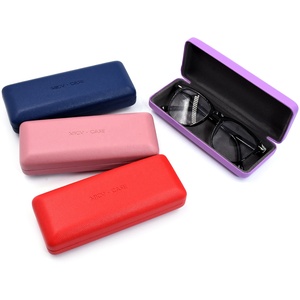
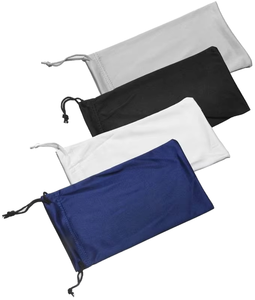
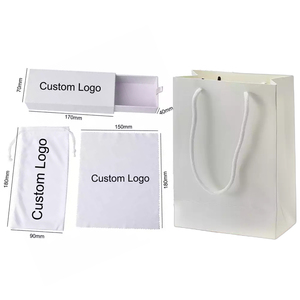
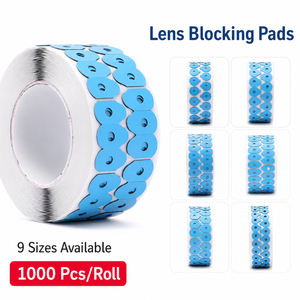
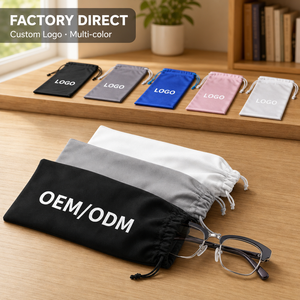
Streamlined consolidation of sports retainers, clamshell cases, microfiber pouches, and blocking pads within single pallet manifests saves freight costs.
Clear answers to common questions about technical testing, minimum orders, and customization.
Speak directly with our technical production team to review dimensional specifications, confirm lab testing criteria, and receive a competitive volume quote within 24 hours.
Send an Inquiry