
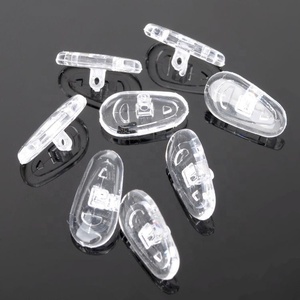
Engineered for optical laboratories, luxury eyeglass ateliers, and independent dispensing practitioners across Geneva, Zurich, and Basel. Seamlessly customizable with complete proof approval protocols prior to production runs.
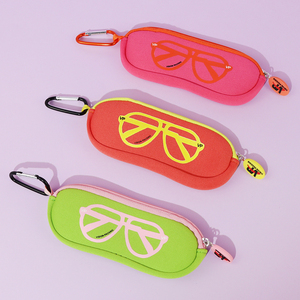
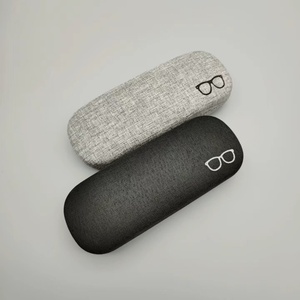
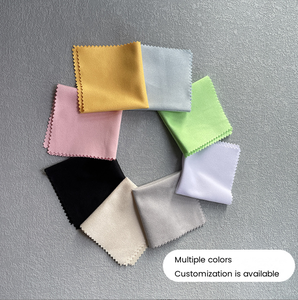
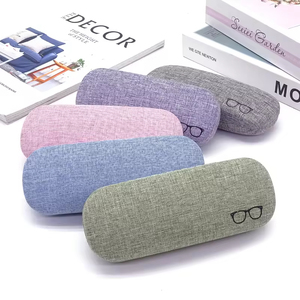
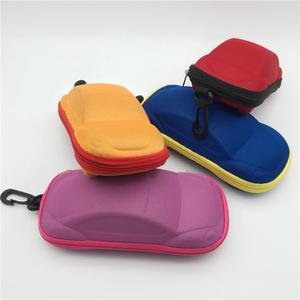
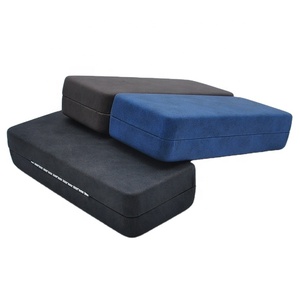
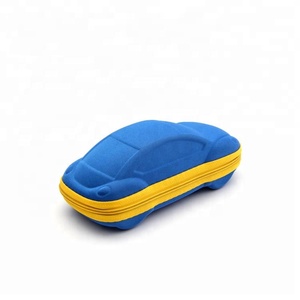
The Swiss optical dispensing framework operates under some of the most rigorous technical criteria globally. From the ultra-premium boutique dispensaries along Zurich's Bahnhofstrasse and Geneva's Rue du Rhône to clinical optometric centers in Lausanne and Basel, packaging is regarded not merely as an aesthetic accessory, but as a critical technical barrier protecting advanced ophthalmic investments. Swiss end-consumers consistently opt for high-refractive-index lenses (1.67, 1.74), sophisticated multi-layer anti-reflective (AR) stacks, hydro-oleophobic finishes, and photochromic substrate engineering.
When optical packaging sheds fibrous micro-particulates or induces micro-marring via abrasive surface contact, the perceived value of a 1,200 CHF prescription dispensing falls sharply. Consequently, sourcing optical lens bags and custom microfiber pouches requires comprehensive technical auditing: microfiber yarn density, boundary friction coefficients, stitch integrity, and electrostatic dispersion metrics.
Fabricated with split continuous synthetic fibers (80% polyester, 20% polyamide) exceeding 230 to 260 GSM. Ultrasonic heat-sealed or micro-overlocked edging eliminates loose yarn shed completely.
Engineered to be completely non-reactive with fragile vacuum-deposited anti-reflective interference stacks, blue-attenuation films, and lipophobic topcoats without chemical migration.
Maintains elastic tactile flexibility without embrittlement or abrasive stiffness during severe Alpine climate transitions from -15°C ski resorts (St. Moritz, Zermatt) to heated indoor lounges.
| Substrate Parameter | Standard Commercial Grade | Swiss Export Specification Grade | Technical Operational Advantage |
|---|---|---|---|
| Fiber Composition | 100% Filament Polyester | 80/20 Poly-Amide Split Conjugate Microfiber | Capillary absorption of cutaneous lipid deposits |
| Areal Density | 140 – 170 GSM | 220 – 260 GSM Heavyweight Dense Weave | Physical cushioning against minor percussive shocks |
| Closure Construction | Single-draw standard braided nylon | Dual-pull high-tensile cord with metal aglets | Prevents accidental slippage in briefcases or handbags |
| Branding Precision | Basic wet ink screenprint | Precision Micro-Pad / Debossed Thermal Transfer | Zero ink flaking, razor-sharp typographic rendition |
| Chemical Compliance | Self-declared baseline | EU REACH Annex XVII & Swiss ChemRRV Compliant | Free from restricted azo-dyes, phthalates, and PFAS |
Precision-targeted packaging built to fulfill specific client journeys across diverse cantonal markets.
Serving bespoke optical studios in Zurich, Geneva, and Lucerne. When dispensing titanium, buffalo horn, or gold-plated frames, standard hard cases are complemented by dual-compartment velvet microfiber bags that prevent temple-to-lens scratching during patient transit.
High-altitude sport clinics throughout Valais and Graubünden cater to mountaineers requiring polarized Category 4 eyewear. Oversized drawstring bags safeguard broad wrap-around shields from dust while serving as safe, non-abrasive field cleaners in harsh snow environments.
Institutional eye clinics dispense customized drop-resistant EVA packages and ergonomic car-shaped cases paired with hypoallergenic nosepads. These materials ensure non-toxic, playful, and resilient protection for young pediatric patients across school and athletic environments.
Key macroeconomic and regulatory shifts transforming wholesale procurement criteria in Switzerland.
The Swiss market is undergoing a deliberate transition away from indiscriminate mass packaging toward eco-responsible accountability and verified lifecycle traceability. Optometrists face growing scrutiny regarding packaging waste, driving demand for recycled polyethylene terephthalate (rPET) textiles and water-based, solvent-free screen-printing pigments.
Furthermore, the consolidation of regional purchasing alliances across German-, French-, and Italian-speaking cantons requires suppliers who can deliver bespoke packaging with low minimum order quantities (MOQs). Practices prefer to avoid carrying redundant excess stock, choosing instead responsive on-demand production schedules backed by physical proof verification prior to manufacturing.
Widespread integration of post-consumer recycled plastic bottles into ultra-refined optical textiles. Fully certified to GRS (Global Recycled Standard), meeting consumer expectations for verifiable environmental integrity.
Exporters must handle non-EU customs clearance smoothly under the Swiss Federal Customs Administration (FCA), offering DDP (Delivered Duty Paid) terms to eliminate unexpected VAT surcharges for local buyers.
Swiss visual culture values restraint: subtle debossed monochromatic monograms, matte satin textures, concealed drawstrings, and architectural finishes that elevate the brand without excessive ornamentation.
Refined manufacturing standards, proactive communication, and strict quality controls built for overseas optical partners.
We do not depend solely on digital mock-ups. Before mass production, we produce and photograph an actual physical sample under calibrated lighting, confirming typography, PMS color match, and placement.
Every inquiry, sample request, or quote submission receives a complete technical response from a dedicated optical packaging specialist within one business day, keeping procurement on schedule.
From custom microfiber lens pouches to rigid iron-core cases, soft silicone nosepads, and optical repair screws, our coordinated ecosystem helps distributors bundle purchases and reduce shipping freight costs.
Clear answers addressing customs protocols, production timelines, branding techniques, and compliance mandates.