
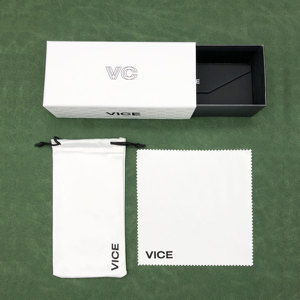
Engineered for high-throughput retail optometry and luxury eyewear retail environments across Manhattan, Brooklyn, and upstate distribution hubs.
A rigorous evaluation of surfactant balance, mechanical abrasion risks, and compliance standards for metropolitan eyewear distribution.
Modern premium lenses sold in New York boutique clinics incorporate multi-layer vacuum-deposited anti-reflective (AR), hydrophobic, and oleophobic nanocoatings. Generic cleaners containing aggressive isopropyl alcohol (IPA) or harsh alkaline detergents degrade fluoropolymer topcoats over repeated usage cycles. Our chemical manufacturing facility develops non-ionic surfactant formulations buffered strictly to pH 7.0 ± 0.2, achieving rapid surface tension reduction down to 28 mN/m without delaminating dielectric thin-film stacks.
Cleanroom-produced microdenier textiles require deliberate filament splitting to maximize mechanical particulate capture. Our cloths feature continuous-filament bicomponent matrices (80% polyester, 20% polyamide) divided into 16 wedge-shaped micro-segments per strand, achieving fineness ratings below 0.13 Dtex. This micro-grooved surface profile traps ambient urban particulates—including vehicle exhaust carbon and mineral dust—rather than rolling them across expensive polycarbonate or high-index 1.74 resin surfaces.
Environmental stability during transatlantic multimodal freight is critical. Our cleanroom facilities employ ultrasonic precision injection molding for fine-mist pump heads, maintaining a calibrated delivery volume of 0.08 ml (±0.005 ml) per spray stroke. Bottles utilize high-density polyethylene (HDPE) and polyethylene terephthalate (PET) resin designs with multi-thread screw necks and induction foil seals, preventing leakage across low-pressure air cargo environments into JFK and oceanic shipping via the Port of New York and New Jersey.
Technical Compliance Insight: Cleaners manufactured for New York enterprise buyers must satisfy stringent regulatory scrutiny, including California Proposition 65 heavy metal thresholds, OSHA HazCom 2012 / GHS alignment, and the New York State Department of Environmental Conservation (DEC) Part 493 requirements concerning Volatile Organic Compound (VOC) emissions in consumer cleaning products.
Our formulations undergo complete Gas Chromatography-Mass Spectrometry (GC-MS) verification to ensure zero traces of per- and polyfluoroalkyl substances (PFAS), nonylphenol ethoxylates (NPEs), or glycol ethers, securing frictionless compliance across the entire Northeast commercial corridor.
| Component Specification | Industrial Export Standard | Boutique Retail Standard | Institutional Clinic Grade |
|---|---|---|---|
| Surfactant Matrix | Non-ionic linear alcohol ethoxylates | Bio-based plant alkyl glucosides | Pharmaceutical grade amphoteric balance |
| pH Stability Range | 6.8 – 7.2 | 7.0 ± 0.1 | 7.0 Neutrally Buffered |
| Microfiber Fabric GSM | 180 – 200 GSM Zigzag Edge | 230 – 260 GSM Laser Cut / Ultrasonic | 300 GSM Silicone Heat-Welded Border |
| Bottle Fluid Volumetric Range | 30 ml / 60 ml / 125 ml Travel | 50 ml / 100 ml Frosted Glass / Aluminum | 120 ml / 240 ml High-Capacity Refill |
| Branding Precision | Automated Rotary Screen Print | Multi-color Tampo Pad / Foil Embossing | Direct UV Digital Full Bleed |
How distinct regional commercial dynamics dictate cleaning kit architectures and supply chain responsiveness.
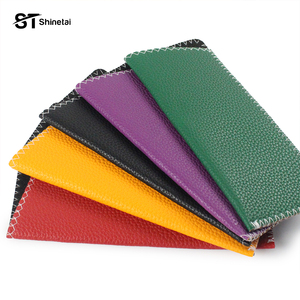
For high-end opticians situated along Madison Avenue, SoHo, and the Flatiron District, dispensing accessories represent an intimate tactile extension of their practice's aesthetic authority. Premium optical kits distributed at these locations require custom PU leather magnetic enclosures, bespoke paper packaging sets with debossed brand identities, and elegant frosted-finish spray vessels. Patients spending upwards of $800 to $1,500 on bespoke horn, titanium, or acetate frames expect an unboxing experience that matches the precision of their tailored corrective lenses.
Institutional optical organizations, hospital eye clinics, and high-volume optometry centers throughout Queens, Brooklyn, and Nassau County encounter massive annual dispensing volume. Their fundamental operational drivers are consistent liquid clarity, antimicrobial microfibers, and tamper-evident cap enclosures that comply with standard clinical hygienic protocols. Bulk pallet consolidation and scheduled ocean-freight release programs guarantee dependable per-unit procurement costs beneath volatile domestic distribution spreads.
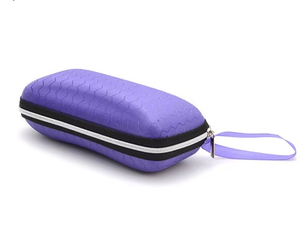
New York's dense corporate professional demographic spends intensive daily hours on multi-screen workstations, subway transit corridors, and varied weather transitions. This environment stimulates soaring consumer demand for compact, anti-fogging lens treatment formulations paired with durable EVA travel shells. Kits engineered for tech-focused commuters must slip easily into structured briefcases, protect frames during crowded subway commutes, and deliver streak-free optical clarity without liquid residue under fluorescent corporate lighting.
Key structural transformations influencing how East Coast optical buyers structure direct-from-factory relationships.
B2B buyers across New York are actively purging ammonia, alcohol, and synthetic fluorosurfactants from their private-label clinical supplies. The transition toward bio-based, plant-derived cleaning surfactants directly supports corporate environmental initiatives while eliminating patient dermatitis and contact allergies during daily maintenance routines.
Statewide regulatory frameworks on single-use plastics and packaging waste make post-consumer resin (PCR) PET bottles and recycled rPET microfiber cloths vital competitive assets. Eyewear brands operating retail outposts in Manhattan and Brooklyn leverage our Global Recycled Standard (GRS) certified textiles to validate authentic eco-responsibility.
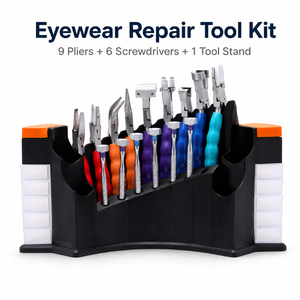
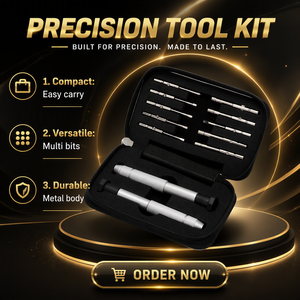
Single-item dispensing (handing out a loose cloth or an unbranded bottle) has surrendered market share to complete branded ecosystems. Practices consolidate cases, bespoke microfibers, optical cleaning sprays, and mini repair screwdrivers inside unified, foil-stamped presentation boxes, lifting perceived practice value and building organic patient recall.
To hedge against regional warehousing premiums throughout the Tri-State area, buyers are transitioning to hybrid supply agreements. They establish long-range ocean freight pipeline deliveries through Red Hook Container Terminal and Port Newark, balanced with high-speed air-cargo replenishment pipelines directly into JFK for seasonal campaigns.
Combining world-scale manufacturing infrastructure with dependable international fulfillment discipline.
Never rely on flat digital renders. We manufacture physical pre-production prototypes featuring exact ink pad-printing calibrations, screen prints, and leather debossing, sending high-resolution photography and expedited physical samples for verified stakeholder sign-off.
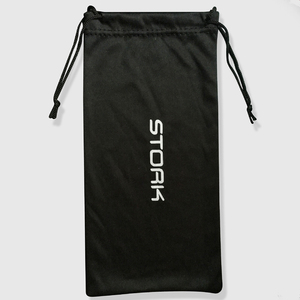
Access unlimited tailoring options: pad printing on hard-shell contours, high-definition dye sublimation on premium microfibers, blind debossing on PU leather cases, and precision custom-die label cutting for spray bottles of all shapes and finishes.
Our coordinated production shifts support agile manufacturing lead times. We respond to initial client inquiries and specification reviews within one business day, enabling quick design iterations and tight scheduling for upcoming product launches.
We manage complete export documentation, customs entry compliance, and direct multimodal routing straight to your designated third-party logistics (3PL) warehouse or clinical depot anywhere in New York, New Jersey, or Connecticut.
Clear, direct answers regarding production standards, regulatory compliance, testing, and East Coast logistics.
Yes. Our solutions are formulated strictly free of ammonia, aggressive alcohols, and harsh abrasives. Every batch is lab-tested across major ophthalmic substrates (CR-39, polycarbonate, Trivex, 1.67, and 1.74 high-index) to guarantee streak-free clarity without degrading sensitive multi-layer vacuum anti-reflective coatings.
Prior to running industrial stamping, screen printing, or injection molding, our production lab manufactures a physical prototype utilizing your submitted vector artwork. We provide macro-lens photography of the printed proof for color, scale, and placement approval, or ship a physical proof directly to your office.
We routinely manage ocean container shipments routed directly through the Port of New York and New Jersey, providing customs paperwork, bills of lading, and ISF filings. For urgent replenishment orders or marketing deadlines, express air freight lanes deliver directly to JFK or EWR with tracked customs handoffs.
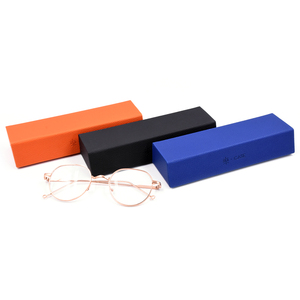
Yes. Many clients design comprehensive custom kits that bundle a hard-shell EVA or luxury PU magnetic case with matching microfiber cloths, a 125 ml spray cleaner bottle, and an optical screwdriver set, consolidating all items into a single, cohesive presentation package.
We provide full Material Safety Data Sheets (MSDS) structured in compliance with OSHA GHS standards, alongside independent laboratory certifications covering REACH, RoHS, FDA cosmetic/medical device classifications where applicable, and Proposition 65 chemical compliance.
Standard custom private-label runs generally start between 500 and 1,000 units depending on the complexity of the tooling, bottle design, and printing method (pad printing, debossing, or full-surface sublimation). We also provide flexible tiered scaling for growing practice networks.
Connect directly with our engineering and manufacturing teams to receive factory-direct quotations, technical documentation, and physical sample kits tailored to your brand specifications.