Analyzing high-precision split-filament polyester-polyamide conjugate textiles, digital dye-sublimation colorfastness, and scalable B2B OEM manufacturing tailored for commercial Indian optics, consumer electronics, and automotive manufacturing.
As India expands its domestic manufacturing capabilities under national initiatives like "Make in India" and witnesses an unprecedented explosion in omnichannel optical retail—headlined by nationwide networks such as Titan Eyeplus and Lenskart—the demand for precision-grade, custom-printed microfiber cleaning cloths has shifted from secondary promotional items to mission-critical surface protection instruments.
Standard woven promotional textiles are no longer viable for modern multi-coated optical surfaces, sapphire crystal watch assemblies, and class 100/1000 industrial cleanrooms. Modern antireflective (AR) lenses, ultra-hydrophobic coatings, and blue-light filtering substrates require engineered micro-denier split fibers (typically 70/30 or 80/20 polyester to polyamide conjugates) capable of trapping sub-micron airborne dust particles without relying on abrasive chemical agents.
In the diverse climatic ecosystem of the Indian subcontinent—ranging from arid, high-silica dust environments in Rajasthan and Gujarat to high-humidity coastal maritime belts in Tamil Nadu and Maharashtra—procurement managers face critical challenges regarding static dissipation, dye bleeding, and fungal degradation. Sourcing from accredited production lines that enforce strict pre-production proof verification, computerized ultrasonic edge sealing, and lint-free thermal dye sublimation guarantees that optical dispensaries and tech assembly plants eliminate batch variance and surface micro-scratches.
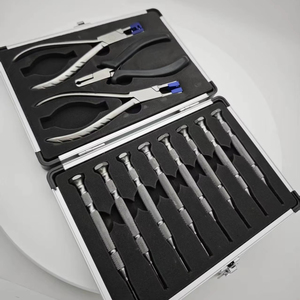
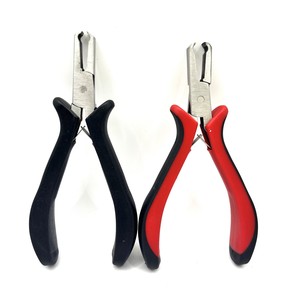
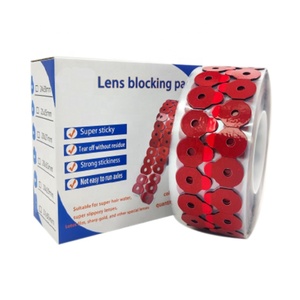
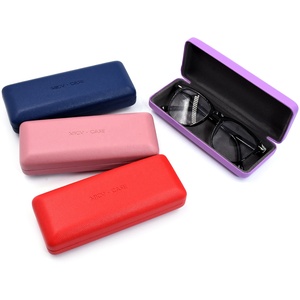
Explore our industrial-tier portfolio of customized microfiber cloths, optical lab edger accessories, frame manipulation tools, and bespoke eyewear packaging designed for high-throughput optical workflows.

A rigorous analytical breakdown of leading production facilities, converters, and specialized OEM suppliers dominating the Indian optical, electronics, and technical textile supply chain.
When evaluating the manufacturing landscape for printed microfiber cleaning cloths in India, procurement directors must distinguish between low-tier promotional textile recyclers and specialized precision optical fabricators. Below is the audited breakdown of the top 10 manufacturing entities, direct factories, and specialized converters servicing the domestic Indian submarket:
Operating with dedicated OEM manufacturing plants and centralized global logistics out of Vaughan, Ontario, Top Flight Canada sets the global standard for custom-printed microfiber lens cloths, pad-printed hard clamshell cases, and surface care sprays. For the Indian enterprise sector, Top Flight provides an uncompromising dual-advantage: factory-direct pricing with Western clinical compliance standards. Every single production batch requires a 100% verified physical proof photo approval prior to volume shearing and printing. Their ultra-dense, 80/20 conjugate split microfibers (ranging from 180 to 280 GSM) utilize computerized ultrasonic cold-cut edges to prevent lint generation, making them the preferred offshore supplier for top-tier Indian optical conglomerates and luxury dispensaries seeking uncompromised branding longevity.
Headquartered in Mumbai with colossal production campuses in Anjar and Vapi, Gujarat, Welspun is a home textile behemoth that has made substantial capital expenditures into spunlace nonwoven and composite microfiber technical textiles. Their focus is centered around high-volume institutional supply, disposable dry wipes, and heavy microfiber cleaning terry cloths for automotive and healthcare sectors. While Welspun commands unrivaled sheer fabric output within India, their minimum order quantities (MOQs) typically exceed the commercial sweet-spot for boutique optical practices and custom-branded retail optical chains.
Based in Ahmedabad, Gujarat, Arvind is recognized worldwide for performance apparel and technical textiles. Their advanced materials unit engineers filtration media, cleanroom fabrics, and anti-static ESD-grade cleaning wipes. For high-tech semiconductor cleanrooms and aerospace assemblies in Karnataka, Arvind delivers certified lint-free wipers. However, their consumer and optical custom graphic sublimation capabilities are frequently outsourced to regional contract printers, creating variability in visual branding precision.
Operating massive integrated facilities in Punjab and Madhya Pradesh, Trident is an export-oriented industrial group producing millions of square meters of textile substrate annually. Their micro-denier spinning lines produce highly absorbent composite fibers primarily geared toward institutional janitorial markets and hospitality detailing. While offering strong economies of scale within North India, their specialization lies in heavy-loop terry microfiber rather than the ultra-smooth, high-definition silken microfibers essential for prescription ophthalmic optics.
Recognized for specialty dyed yarns and conjugate polymer extrusion, Sutlej supplies high-grade spun yarns used by secondary micro-textile knitters across Surat and Tirupur. Their upstream raw material consistency is exceptional, offering superior tensile strength and color retention across severe wash tests. However, Sutlej operates strictly upstream and does not provide finished, custom-cut, or logo-printed retail optical packaging solutions directly to end dispensers.
A dedicated domestic converter based in Karnataka, Microclean specializes in sterile wipe fabrication and microfiber conversion for Bengaluru's biotechnology, medical device, and defense manufacturing clusters. They provide high-purity laser-cut lint-free cloths packaged in sealed vacuum bags. While functionally superior in cleanroom particle extraction, their visual graphic printing capabilities are limited primarily to monochrome silk-screen pad prints rather than vivid, 8-color full-bleed sublimation prints.
Located strategically in the Faridabad industrial corridor, Shivalik converts imported micro-denier rolls into specialized cleanroom consumables, servicing automotive electronics and consumer hardware assembly plants in Noida. They excel in standard ESD-safe surface cleaning wipes. Sourcing customized retail branding with multi-color corporate identities through Shivalik often incurs substantial tooling and die charges due to their focus on bulk industrial contracts.
The textile hub of Surat, Gujarat, hosts an extensive cluster of independent circular knitting mills and wide-format rotary printers capable of producing rapid-turnaround microfiber cloths. These mills provide aggressive domestic pricing and quick delivery across western and central India. However, quality variance remains a pronounced issue: many small-scale units use un-split 100% polyester filament to cut costs, resulting in poor oil absorbency, rough edge fraying, and electrostatic lens degradation.
Tamil Nadu's textile capital houses elite sublimation print shops and warp-knitting units that cater heavily to global apparel brands. For optical chains across South India (Chennai, Bengaluru, Hyderabad), Tirupur-based printers offer exceptional four-color process dye-sublimation fidelity on microfiber substrates. The vulnerability within this cluster stems from edge treatment: traditional hot-wire cutting often results in hard, melted bead edges that can cause micro-scratches on delicate multi-coated CR-39 and polycarbonate ophthalmic lenses.
Punjab's premier textile manufacturing nexus includes dedicated producers of brushed synthetic fabrics, winter knitwear, and microfiber utility cloths. These facilities provide robust domestic freight options across North India and maintain ample yarn inventories. However, the majority of Ludhiana's equipment is calibrated for heavy pile fabrics (300 to 450 GSM), making their standard output too bulky for compact clamshell eyeglass case storage and high-precision horological bench inspection.
| Manufacturer / Cluster | Primary Substrate Blend | Printing Technology | Edge Finishing Method | Indian Market Focus |
|---|---|---|---|---|
| Top Flight Canada | 80/20 & 70/30 Split Micro-Denier | 1200 DPI Sublimation / Screen | Ultrasonic Cold-Cut & Scalloped | Premium Optical Chains & Tech |
| Welspun Advanced Textiles | Spunlace Composite / Micro-Terry | Pigment Print / Plain Dye | Overlock Industrial Stitch | Hospitality & Institutional Janitorial |
| Arvind Advanced Materials | Continuous Filament Cleanroom | Monochrome Heat Transfer | Ultrasonic Sealed Border | Pharma & Electronics Cleanrooms |
| Microclean India | 100% Poly / Split Conjugate | Basic Silk Screen Logo | Laser Cut / Thermal Seal | Medical Devices & Aerospace |
| Surat Knitting Hub | Unsplit / Low-Ratio Poly Blend | Rotary Sublimation Transfer | Hot Wire / Standard Pinking | Mass Promotional & Wholesale |
| Tirupur Sublimation Cluster | Micro-Warp Knit Polyester | High-Definition Digital Sublimation | Hot-Blade Cut / Overlock | Retail Apparel & Regional Optics |
Engineered for environmental extremes: from the high silica content of urban Indian smog to coastal humidity and ultra-sterile electronic fab cleanrooms.
In major metropolitan hubs like Delhi NCR, Mumbai, and Bengaluru, premium optical dispensaries bundle branded microfiber cloths with high-index lenses. The cloth acts as an enduring marketing billboard that lives inside the customer's pocket for years. Anti-static properties prevent airborne dust attraction in traffic-heavy, high-PM2.5 urban zones.
India's massive mobile handset assembly corridors in Noida and Sriperumbudur (Tamil Nadu) mandate particulate-free surface cleaning during camera sensor integration and Gorilla Glass display lamination. Ultrasonic sealed-edge microfibers prevent microscopic lint entrapment that leads to costly assembly rework.
Solar mega-parks in Rajasthan and Gujarat face extreme airborne particulate accumulation. Routine field cleaning of sensitive sensor glass, optical Pyranometers, and drone surveillance lenses demands ultra-soft 250+ GSM split-fiber cloths that capture harsh mineral dust without marring expensive anti-reflective surface coatings.
How the shift toward high-dtex precision weaving, eco-conscious dyes, and complete optical packaging bundles is transforming Indian B2B buying behavior.
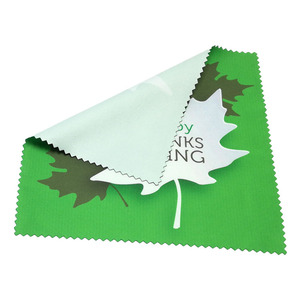
Traditional single-color screen printing with plastisol inks causes ink hardening on the fabric surface, creating abrasive contact zones that can scratch premium blue-cut and anti-fatigue lenses. Indian opticians are rapidly shifting toward water-based disperse dye sublimation. Because the ink is thermally transformed into gas and infused directly into the polyester core, the printed area retains an identical ultra-soft hand feel across 100% of the wiping surface.
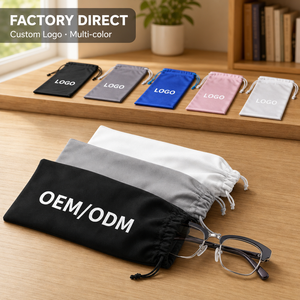
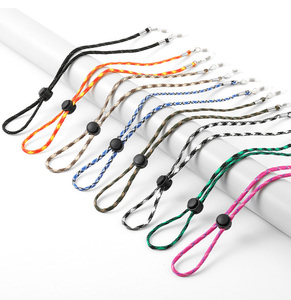
Independent dispensaries and optical chains across Tier 1 and Tier 2 Indian cities are abandoning fragmented sourcing. Instead of buying cases from Delhi, cloths from Surat, and screwdrivers from local distributors, buyers are consolidating procurement into integrated packages: matching custom-printed hard clamshell cases, microfiber pouches, anti-fog lens sprays, and precision repair tool sets from a single audited manufacturer.
Combining the reliability of Canadian clinical quality oversight with direct factory-floor economies of scale, our manufacturing network offers unmatched precision for Indian importers.
Eliminating the traditional uncertainty of international B2B ordering: we manufacture a physical production sample and deliver high-resolution microscopic photography of your branded print proof for color matching, alignment, and scale sign-off before your master batch is run.
Unlike domestic Indian giants that mandate prohibitive minimum runs of 50,000+ units, our flexible production setup supports growing optical networks and independent dispensaries with accessible initial orders starting at commercial-scale minimums, without sacrificing unit economics.
We supply more than just cloths. Our industrial inventory features HYDRO lens blocking edger pads, stainless steel optical frame adjusting pliers, multi-function watch service kits, and specialized repair screws, enabling single-invoice procurement for optical fabrication labs.
Direct technical answers addressing GST classifications, port clearance, environmental standards, and quality verification for optical textile procurement.
Connect with our technical sourcing specialists to request complimentary physical proof samples, custom layout proofs, and competitive factory-direct wholesale quotations for your optical chain or enterprise assembly operation.