Engineered for independent eye care professionals, optical retail dispensary chains, and high-tech optical finishing labs. Every SKU undergoes strict physical proof approval prior to production.
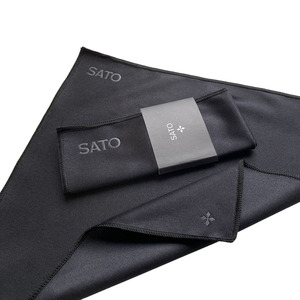
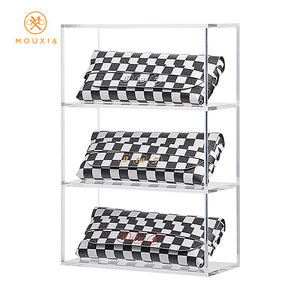
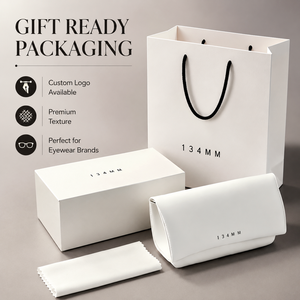
A deep engineering perspective into how split-filament microfibers interact with silkscreen pigment binders, anti-reflective (AR) lens coatings, and tropical humidity dynamics.
Optical-grade lens cloths manufactured across top-tier export textile hubs in Bangladesh deploy an 80/20 or 70/30 split ratio of Polyethylene Terephthalate (PET) and Polyamide (PA-6). Through specialized hydro-entanglement and thermo-chemical fracturing, standard fibers are split into filaments below 0.13 Dtex (approximately 1/100th the diameter of a human hair).
This microscopic wedge geometry produces an immense surface contact area. Unlike rounded synthetic fibers that slide over particulates, split microfibers utilize mechanical capillary suction to trap microscopic dust, lipid films, and sebum without scratching delicate fluorocarbon anti-reflective coatings.
Screen printing on micro-porous textiles presents a critical engineering paradox: applying high-definition corporate graphics without forming a rigid, non-absorbent plasticized layer that ruins the cloth's cleaning ability. Traditional plastisol inks create a thick PVC film that scratches multi-coated lenses.
Our contracted Bangladesh facilities utilize ultra-filtered, water-based elastomeric polyurethane and silicone-based printing pastes. Formulated with high-mesh screens (120T to 150T polyester monofilament), the micro-pigments penetrate the inter-fiber voids without vulcanizing across the surface, ensuring the printed zone retains tactile softness and breathability.
Standard rotary heat-cutting of microfiber fabrics can leave hardened, melted polymer beads along the perimeter. Under physical friction, these micro-beads can abrade poly-carbonate lens substrates and scratch high-index (1.67, 1.74) digital freeform optics.
Our precision fabrication protocol mandates continuous 40kHz ultrasonic slitting and sealed-edge profile finishing (crescent wave, sawtooth, or straight laser-fusion). Ultrasonic acoustic cavitation fuses the polyester and polyamide yarns at a molecular level, preventing fringe shedding while leaving the cloth edge soft, pliable, and completely scratch-free.
Bangladesh is undergoing a massive industrial transformation. Screen-printed optical microfibers serve critical functions far beyond traditional consumer spectacles.
In export RMG inspection labs across Narayanganj and Gazipur, spectrophotometers, stereo microscopes, and high-definition fabric flaw cameras operate continuously. Technicians rely on calibrated 250 GSM microfibers to clear lint and chemical aerosols from optical sensors without altering calibration glass refractivity.
Optical chains across Dhaka (Dhanmondi, Gulshan, Uttara) face constant monsoon humidity. High relative humidity causes rapid fungal spores and grease cohesion on anti-reflective prescription lenses. Screen-printed branded cloths with hydrophobic fiber coatings allow patients to wipe lenses clear without oily streaks.
With Bangladesh expanding domestic smartphone assembly and consumer electronics in Export Processing Zones (EPZs like DEPZ and CEPZ), static-dissipative microfibers are indispensable. Screen printed with non-conductive, ESD-safe pigments, they clean touch panels and camera sensors prior to final lamination.
Leading eye hospitals in Chittagong, Sylhet, and Dhaka package customized post-operative kits for laser vision correction and cataract recovery. Hospitals brand their post-op lens care cloths via high-precision silkscreening, presenting clean, sterile patient education reminders right on the cloth.
For decades, Bangladesh's textile preeminence was built squarely upon natural cotton apparel. However, modern global trade shifts and intense industrial upgrades have sparked massive capital investment into non-cotton and synthetic yarn production. The optical microfiber industry has directly profited from this technological leap. Modern spinning, knitting, and dyeing complexes throughout Savar, Gazipur, and Mirsarai now produce state-of-the-art polyester and polyamide continuous filaments matching top East Asian optical cleanroom specifications.
Furthermore, Bangladesh's advantageous trade status, zero-tariff export channels to key Western markets, and deep integration into global supply chains allow local factories to provide exceptional value on large-volume screen-printed optical accessories. By coupling synthetic knitting machinery with high-precision automatic screen printing carousels, domestic facilities offer unparalleled turnaround times and economies of scale for international eyewear brands.
Strategic Market Shift (2025–2030): The Bangladesh Garment Manufacturers and Exporters Association (BGMEA) and synthetic manufacturers are actively targeting an increase in non-cotton technical textile exports from 26% to over 40%. Screen printed optical lens cloths represent a high-margin, specialized segment within this high-tech manufacturing diversification.
Environmental governance is reshaping purchasing requirements across Europe, North America, and Australia. Global optical chains no longer accept virgin petroleum-derived microfibers without clear sustainability verifications. Bangladesh factories have responded rapidly by adopting GRS (Global Recycled Standard) certified rPET (recycled Polyethylene Terephthalate) yarns made from post-consumer plastic beverage bottles.
Through closed-loop water treatment (Zero Liquid Discharge - ZLD) dyeing plants and low-VOC (volatile organic compound) water-based silkscreen inks, the entire manufacturing cycle meets strict OEKO-TEX Standard 100 Class I criteria. Optical retail brands can print their custom logos using ecological water-dispersed pigments on 100% recycled microfibers, creating a completely green consumer dispensing story.
Use this technical comparison matrix to specify cloth density, print formulation, and finishing methods based on your retail dispensaries or clinical lab requirements.
| Grade / Spec | Fabric Weight | Screen Print Chemistry | Edge Finishing | Absorption Rate | Optimal Deployment |
|---|---|---|---|---|---|
| Economy Giveaway | 170 - 190 GSM | Water-based Pigment (1 Spot Color) | Straight Heat Slit | < 3.5 seconds | Mass retail promotions, single-vision giveaway kits |
| Clinical Standard | 200 - 220 GSM | Low-Tack Silicone Paste (1-2 Colors) | Sawtooth Zigzag | < 2.0 seconds | Independent optometry clinics, AR-coated lenses |
| Dispensary Deluxe | 230 - 260 GSM | Elastomeric Micro-PU (1-4 Colors) | Ultrasonic Crescent Wave | < 1.0 second | Designer eyewear brands, polarized sunwear collections |
| Industrial Cleanroom | 250 - 300 GSM | Static-Dissipative Non-Conductive | Laser Sealed Edge | < 0.8 seconds | Optical surfacing labs, camera lenses, EPZ assembly |
We combine massive Bangladesh textile processing capacity with Canadian-standard optical lab quality assurance and zero-defect physical proofing protocols.
Digital mockups hide subtle ink bleeds and color shifting caused by microfiber knits. We never proceed with mass volume runs until our quality team sends high-resolution macro photography of the physically printed sample cloth for your sign-off.
Unlike generic promotional printers who use abrasive industrial inks, our silkscreen pastes are chemically certified non-abrasive. Safe for fluorocarbon super-hydrophobic anti-reflective coatings, photochromic layers, and delicate blue-light filters.
Every batch of screen-printed lens cleaning cloths undergoes high-pressure ionized de-linting and particulate extraction before sealed plastic wrapping. Guaranteed zero textile dust transfer right out of the box at your dispensing counter.
Straightforward answers regarding customs, Letters of Credit (L/C), Pantone matching, ink permanence, and shipping logistics.
Upgrade your dispensary counters and wholesale distributions with high-precision screen-printed lens cleaning cloths, customized cases, and professional optical lab accessories. Contact our engineering desk today.
Get Catalog