
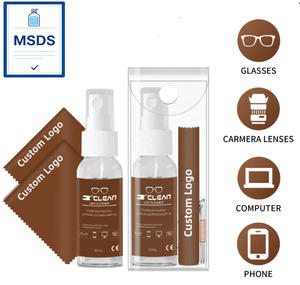
Explore our manufacturing inventory engineered specifically for optical dispensary clinics, laboratory benches, and luxury eyewear packaging across the Tokyo metropolitan area.
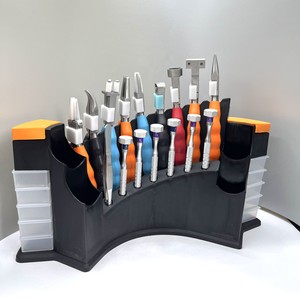

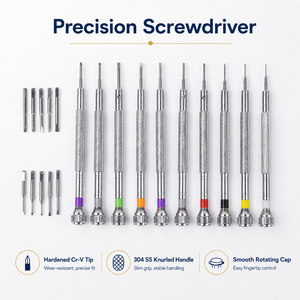
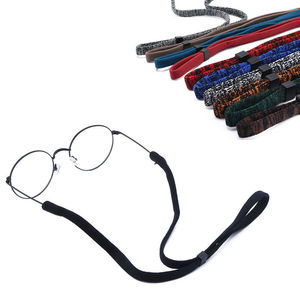

Understanding yarn geometry, static dissipation, and thermal transfer fidelity when sourcing printed cleaning textiles for Tokyo's exacting optical sector.
Unlike standard cylindrical cotton fibers that push particulate matter across an optical surface, our split microfiber filaments (80% polyester, 20% polyamide) feature an angular cross-section. This mechanical matrix traps micro-dust, skin lipids, and airborne pollutants inside microscopic capillary channels without scratching hydrophobic or oleophobic top layers.
For Tokyo fashion optometry practices and corporate brands demanding CMYK spot-color accuracy (Pantone matched), our proprietary disperse dye sublimation penetrates the core of the synthetic polymer under 210°C thermal compression. This eliminates surface ink cracking, chalking, or particulate shedding across delicate camera sensors.
Edge fraying introduces lint contamination into optical assemblies and camera mounts. We employ high-precision ultrasonic perimeter fusing, laser zig-zag cutting, and overlock stitching depending on the intended duty cycle. Ultrasonic sealed margins remain completely lint-free even during active industrial rubbing cycles.
Tokyo represents one of the world's most concentrated optical ecosystems, combining high-end luxury eyewear retail, consumer digital optics, and precision industrial manufacturing.
In high-end luxury retail corridors such as Ginza, Aoyama, and Omotesando, customer packaging is scrutinized as an extension of brand prestige. Independent opticians and bespoke acetate frame makers require heavyweight microfiber cloths (230–280 GSM) with debossed gold foil or tone-on-tone matte screen printing to match bespoke hard cases.
Home to the flagship service centers of major imaging manufacturers and professional camera resale institutions, Tokyo’s imaging centers demand specialized, lint-free optical cloths. These cloths must safely remove fingerprint grease from fluorite-coated telephoto lenses, multi-coated neutral density filters, and electronic viewfinders without abrasive residue.
Tokyo’s industrial research laboratories and corporate device deployment facilities require branded microfiber screen-wipes for high-resolution displays, semiconductor inspection lenses, and VR/AR head-mounted optical visors. Cloths serve both an internal QA function and high-utility corporate promotional merchandise.
Evaluate material weights, weave constructions, and branding specifications before placing high-volume procurement orders for the Japanese market.
| Material Grade | Composition & Weave | Standard Weight | Optimal Tokyo Application | Recommended Imprint |
|---|---|---|---|---|
| Standard Optical Soft | 80% Poly / 20% Polyamide (Flat Weave) | 160 - 180 GSM | High-turnover retail chains, daily giveaways | Screen Printing |
| High-Density Double Brushed | 85% Poly / 15% Polyamide (Suede Finish) | 200 - 230 GSM | Independent optometrists, premium sunglasses | Digital Heat Transfer |
| Luxury Heavyweight Plush | 75% Poly / 25% Polyamide (Terry Microfiber) | 240 - 280 GSM | Ginza luxury boutiques, bespoke eyewear boxes | Debossing / Full Bleed |
| Cleanroom Precision Film | 100% Ultra-Fine Poly Filament (Honeycomb) | 170 - 190 GSM | Camera lens labs, cleanroom touchscreens | Laser Etch / Ultrasonic |
How evolving consumer behaviors and retail dispensing models across Kanto are reshaping custom cleaning cloth requirements.
Japanese corporate procurement standards increasingly require measurable Environmental, Social, and Governance (ESG) compliance. Optical retailers across Shinjuku, Shibuya, and Ikebukuro are shifting from virgin petroleum-based polymers to 100% Post-Consumer Recycled (rPET) yarn derived from recycled bottle flakes. Our factory provides GRS-certified (Global Recycled Standard) microfiber cloths that maintain the exact same tensile softness and electrostatic particle pick-up as virgin fibers while offering verified carbon footprint reduction credentials.
With Japan's consistent commuter transit culture and pervasive seasonal masking protocols, consumer demand for lens fog mitigation remains persistent. As a premier supplier, we provide dual-action treated microfiber cloths pre-infused with hydrophilic nanocoating surfactants. In tandem, optical dispensaries bundle these with our anti-reflective-safe liquid spray cleaners (such as our 30ml and 125ml lines) to offer unified clarity bundles at check-out.
Inquire NowBuilt upon an agile manufacturing infrastructure, stringent quality control protocols, and deep familiarity with optical dispensary workflows.
Never face color surprises or scale discrepancies. Rather than relying on simple digital vector mock-ups, we manufacture and photograph an actual physical proof sample for client inspection before initiating full production, verifying ink saturation, line sharpness, and edge trim quality.
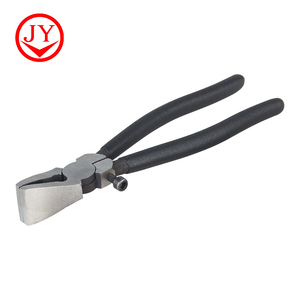
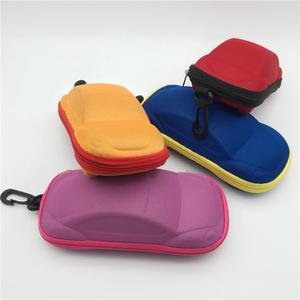
We are not a general promotional novelty broker. We manufacture and distribute the complete range of optical accessories: custom printed microfiber cloths, molded hard-shell and soft PU eyewear cases, AR-coating safe cleaning sprays, and precision bench repair sets with Japanese-standard screwdrivers and replacement pliers.
Serving cross-border import distributors and domestic retail groups requires seamless logistics communication. Our B2B sales desk confirms SKU availability, vector artwork requirements, and production scheduling within 24 hours of your inquiry, ensuring rapid air-freight or sea-freight turnarounds into Tokyo and the Kanto region.
Detailed procurement, lead-time, customization, and technical compliance answers for optical chain buyers and dispensary owners.
Consult with our optical manufacturing specialists today to request fabric swatches, technical spec sheets, and exact pricing for your practice or distribution chain serving the Tokyo market.
Inquire Now