
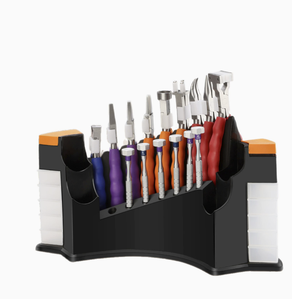
Dispensing Workbench
Engineered for high-turnover optical chains, bespoke Ginza studios, and clinical optometric dispensing counters across Tokyo, Osaka, and regional Japan.
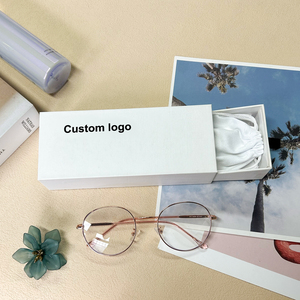
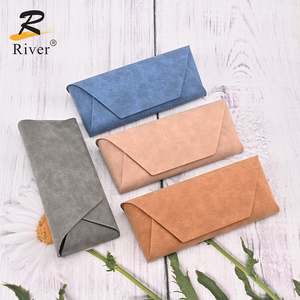
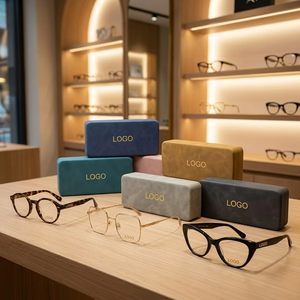
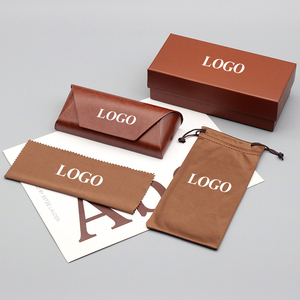
A rigorous B2B overview of retail space optimization, anti-seismic fixture architecture, visual ergonomics, and material hygiene across Japan's multi-tiered eyewear landscape.
Japanese commercial architecture prioritizes spatial balance and uncluttered visual corridors. Optical fixtures must maximize SKU density per square tsubo (坪) without producing cognitive fatigue or visual congestion for discerning shoppers.
Store interiors throughout Tokyo, Sendai, and Osaka mandate strict compliance with anti-topple and vibration damping standards. Frame retention grooves and display counter bases are tested for stability under simulated tremor conditions.
Japanese QC protocols reject optical displays with visible mould seam lines, micro-burrs, or surface hazing. We implement diamond-wheel edge polishing and Class-100 dust-free cleanroom wrapping for all acrylic and alloy elements.
From high-velocity urban flagship stores in Shibuya to traditional optical guilds in Fukui Prefecture, fixture requirements diverge significantly by shopping demographic and real estate density.
Rapid-turnover chains (e.g., JINS, Zoff, Owndays) require high-durability open trays and wall-mount modular bars that facilitate frictionless self-service try-on while withstanding thousands of customer touches daily.
Independent luxury opticians and bespoke craftsmanship ateliers focus on handmade titanium and tortoiseshell frames. These stores demand warm-hue walnut wood veneers, velvet linings, and lockable showcase glass vitrines.
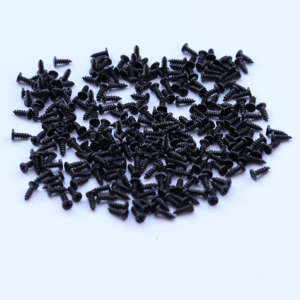
Ophthalmology dispensing tables throughout medical plazas need sterile, alcohol-wipe-resistant acrylic racks and organized technician trays that house frame adjustment pliers, micro screws, and diagnostic samples.
High-footfall transit terminals at Narita, Haneda, and Kansai International prioritize rotating floor pillars with illuminated headers, maximum peripheral visibility, and tamper-resistant anti-theft anchoring hardware.
Understanding shifting consumer demographics, digital omni-channel integration, and strict carbon neutrality targets shaping Japanese store fit-out specifications.
Japanese institutional procurement departments increasingly require suppliers to provide traceable environmental documentation. Fixtures fabricated from recycled PMMA, biodegradable PLA resin, and FSC-certified timbers hold substantial preference in municipal retail tenders.
With Japan leading the adoption of virtual try-on and AI face-shape diagnostic kiosks, modern counter display stands must incorporate integrated power conduits and tablet cradle brackets without exposing wire harnesses or disrupting clean lines.
With over 29% of Japan's population aged 65 or older, presbyopia and progressive reading glass stands demand specialized visual hierarchy. Fixtures utilize higher contrast background palettes, oversized lens display slots, and 45-degree angled focal presentation.
Direct comparison of material properties, load factors, and export packaging specifications tailored to sea and air freight entering Yokohama, Kobe, and Tokyo ports.
| Display Stand Typology | Primary Material & Grade | Seismic & Stability Rating | Finishing Standard | Recommended Retail Setting |
|---|---|---|---|---|
| Multi-Tier Rotating Floor Tower | Alloy 6063-T5 + Virgin Acrylic Core | Heavy Cast-Iron Base (12.5 kg) Anti-Topple rated up to Seismic Intensity 5+ | Anodized Satin Matte / 120-Grit Hairline finish | Transit hubs, mall optical chains (e.g. Aeon Mall, Lalaport outlets) |
| Countertop 5-Frame Pedestal | Crystal Clear PMMA (93.5% transparency) | Concealed Non-Skid Silicone Footing, tilt stability > 25 degrees | Diamond Edge Flame Polishing, Zero Micro-Burr | Prescription dispensing counters, eye clinic consultations |
| Modular Wall Slotted Rail System | Extruded Aircraft Aluminum with Polymer Liners | Direct Stud Anchor System, 30kg load capacity per linear meter | Electrophoretic Coating resistant to yellowing & UV | High-street boutiques (Omotesando, Ginza, Shinsaibashi) |
| Lockable Vitrine Accessory Showcase | Solid Oak Wood Frame + Low-Iron Tempered Glass | Shatter-proof laminate film, weighted anti-shift structure | Eco-Friendly Matte Lacquer (JAS Four-Star F★★★★ compliant) | Luxury sunglass display, bespoke gold & horn frame collections |
| Workbench Adjustment Stand | Reinforced Cold-Rolled Carbon Steel | Vibration dampening rubber sub-chassis for heavy plier torquing | Electrostatic Anti-Corrosion Baked Paint | In-store lens edging workshops, frame adjustment service benches |
Combining state-of-the-art CNC precision hardware fabrication with complete in-house packaging, bespoke logo application, and transparent quality auditing.
Unlike generalist display factories that produce cosmetics and confectionery shelving, our entire machinery tooling, jig calibration, and assembly line are dedicated exclusively to optical ergonomics. We understand temple angles, bridge geometry, and progressive frame balance down to the millimeter.
We eliminate distance-sourcing anxiety for overseas buyers. Before any bulk mass-production run is initiated, our inspection division produces an exact physical pilot sample. High-resolution multi-angle photographs, Pantone color delta measurements, and dimension inspection logs are sent for formal client sign-off.
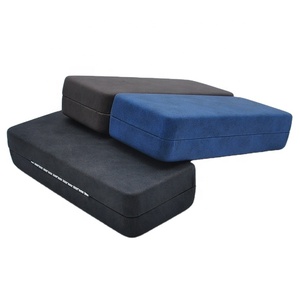
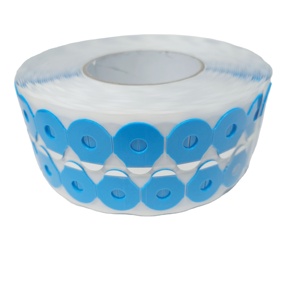
We coordinate your complete retail visual package. In addition to optical display towers, our factories manufacture matching custom debossed PU cases, microfiber cleaning cloths, optical tool sets, and blocking consumables, allowing Japanese chains to consolidate shipping containers and minimize logistical overhead.
Addressing critical technical questions on Japanese customs compliance, seismic stabilization, surface longevity, and production turnaround times.
Connect with our engineering and procurement team for bespoke optical display fixture designs, seismic-tested showroom prototypes, and container-direct wholesale pricing for the Japan market.
Send an Inquiry