Engineered for scratch-sensitive anti-reflective coatings, ergonomic eyewear adjustments, and premium patient handovers across Warsaw, Kraków, Poznań, and Wrocław.



In the contemporary ophthalmic ecosystem of Central and Eastern Europe, Poland serves as a pivotal nexus of advanced optical chain consolidation, progressive lens dispensing, and high-tech optometric examination suites. An optical cleaning cloth is no longer considered a passive complimentary accessory; it is an active mechanical component of corrective lens maintenance. With modern high-index ophthalmic lenses (ranging from 1.60 to 1.74 polyurethane-based materials) featuring complex multilayer interference coatings—such as broadband anti-reflective (AR) stacks, super-hydrophobic topcoats, oleophobic barriers, and blue-violet radiation attenuators—the micro-tribological interaction during cleaning is paramount.
Conventional cellulose or low-grade looped microfibers pose severe threats to thin-film vacuum-deposited coatings. Particles trapped on non-split coarse fibers act as point-abrasives, inducing sub-micron micro-scratches (hazing) that gradually degrade lens MTF (Modulation Transfer Function) and luminous transmittance. Our optical microfiber manufacturing processes deploy an 80/20 to 70/30 split conjugated blend of polybutylene terephthalate / polyethylene terephthalate (polyester) and polyamide (nylon) bicomponent filaments. The resulting filament geometry exhibits an ultra-fine linear mass density below 0.1 dtex, creating capillary wedge structures that mechanically lift lipid sebum, atmospheric smog particulate (PM2.5), and cosmetic oils off delicate surfaces rather than smearing them across the optical aperture.
A critical technical distinction demanded by Polish optometric groups (such as salons in Mazowieckie, Wielkopolska, and Dolnośląskie) lies in perimeter retention. Standard hot-knife cutting produces brittle, crystallized polymeric edges that flake off over repeated washes. We employ computerized cold ultrasonic slitting and sealed laser-guillotine edging, which welds the terminal filaments without introducing abrasive polymer beads. Alternatively, continuous serrated zig-zag patterns with high stitch density (exceeding 250 GSM) eliminate edge curling during prolonged use in clinical diagnostics, optical workshops, and camera lens sanitization routines.
Addressing the specific regulatory, climatic, and industrial demands of Polish ophthalmic retailers, optical workshops, and precision equipment laboratories.
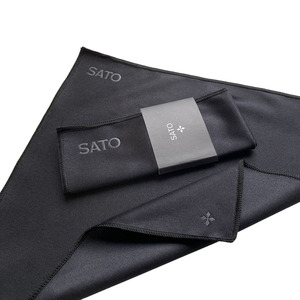
From independent boutiques in Kraków's Stare Miasto to national optical chains in Warsaw shopping galeries, high-grammage (220-280 GSM) branded microfiber cloths represent the foremost patient touchpoint. Customized with fine-line screen printing or crisp embossing, these cloths reinforce clinical prestige, safeguarding premium progressive lenses and hydrophobic coatings against scratch complaints.
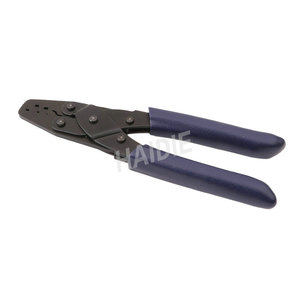
Poland's optical glazing labs and workshop benches utilize specialized lint-free cleanroom cloths alongside heavy-duty adjustment equipment. Paired with non-slip pliers and precision screwdrivers, our dense, zero-lint wiping substrates ensure that bevelled lenses undergo final inspection, hydrophobic residue removal, and frame mounting free from electrostatic dust attraction.
With Poland’s rapid expansion in electronics manufacturing (Wrocław and Upper Silesia Industrial Region), technical microfiber cloths are heavily utilized for cleaning high-precision laser diode windows, digital single-lens reflex (DSLR) sensor optics, drone inspection optics, and solar photovoltaic junction glass modules during assembly quality control.
The Polish ophthalmic retail sector has matured into one of the most discerning markets within the European Union. Procurement officers and salon proprietors increasingly face stringent consumer awareness and EU environmental directives. Three decisive market dynamics are reshaping supplier requisites for optical wiping textiles:
In accordance with broader EU circular economy initiatives, optical groups across Poland are moving away from virgin petroleum-based polymers. We have engineered optical cloths derived from post-consumer GRS-certified (Global Recycled Standard) rPET plastic bottles. These recycled fibers match the mechanical tenacity, capillary absorption, and tactile softness of virgin yarn while offering verifiable traceability that empowers optical practices to market their eco-conscious commitment to environmentally sensitive Polish patients.
Optical cloths are in constant direct contact with human fingers, frame nosepads, and spectacle temples that rest against facial skin. Polish procurement standards require that microfiber products be strictly free of harmful azo dyes, extractable heavy metals, formaldehyde, and phthalates. Ensuring compliance with European REACH regulations (EC 1907/2006) and OEKO-TEX® criteria eliminates skin irritation and legal liabilities for eye clinic dispensaries.
In response to harsh Central European winter climates—where rapid transitions between heated indoors and sub-zero outdoor conditions trigger heavy condensation (fogging) on glasses—cleaning cloths must interact harmoniously with modern non-alcoholic anti-fog and anti-reflective cleaning formulations. Microfibers engineered with elevated polyamide ratios resist chemical degradation caused by optical cleaning sprays, preserving electrostatic attraction and wiping efficiency across hundreds of wash cycles.
| Substrate Grade | Fabric Structure | Standard Grammage | Optimal Practice Application | Recommended Branding Method |
|---|---|---|---|---|
| Studio Grade rPET | Double-Sided Suede (Woven) | 200 - 230 GSM | Standard Rx Glasses, Readers, Promotional Dispensing | Precision Silkscreen Printing |
| Clinical High-Density | Knitted Interlock (Fleece Feel) | 240 - 280 GSM | High-Index AR Lenses, Blue Light Blocking Eyewear | Debossing / Sublimation Transfer |
| Ultra-Fine Silky Smooth | Satin Bicomponent Weft | 180 - 210 GSM | High-End Metal Hinges, Jewelry, Camera Objectives | Digital Full-Color Foil Stamping |
| Cleanroom Workshop | Continuous Filament Non-Shed | 220 - 250 GSM | In-House Glazing Bench, Edging Inspection, Tools | Unprinted / Cleanroom Vacuum Packed |
Drawing on decades of dedicated optical accessory engineering, our production infrastructure delivers reliable consistency, tailored branding, and zero-defect quality assurance for European optical businesses.
We eliminate speculative mockups. Polish partners receive actual high-resolution photographic proofs of physically printed cloths before production commences.
Pantone Formula Guide color matching ensures accurate representation of your salon or corporate brand identity across inks and fabric dyes.
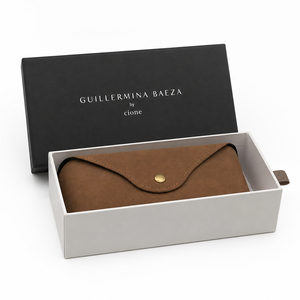
From individual OPP self-adhesive sleeves to luxury embossing drawer cases and custom carry bags, we provide complete, integrated packaging solutions.
Full support for European door-to-door logistics, customs clearance, and transparent commercial invoicing for straightforward VAT compliance.
Direct technical and commercial clarifications covering orders, customs, edge treatments, and private-label customization.
Whether you manage an established chain of optical boutiques across Poland or require cleanroom-certified optical cloths for specialized lab assembly, our engineering team is at your disposal.