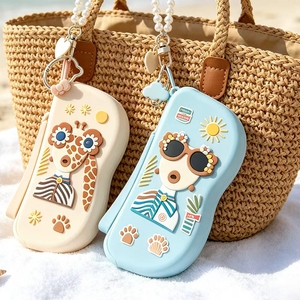
Industrial-grade lens cleaning chemistry paired with functional packaging and laboratory-grade optical accessories for distributors, retail optical chains, and clinical optometrists.
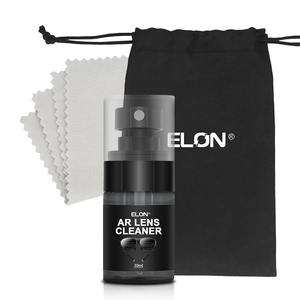
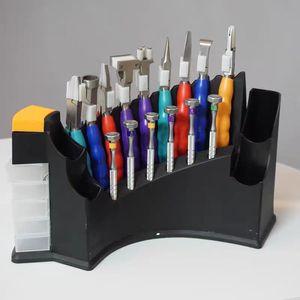
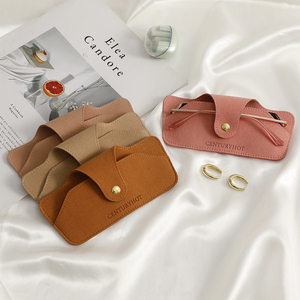
Understanding the unique chemical engineering parameters demanded by Russian retail optometry, industrial laboratories, and cold-climate logistics corridors.
In standard global markets, lens cleaners rely on a standard mix of deionized water and minimal isopropanol. However, in regions such as Moscow, Saint Petersburg, Novosibirsk, and Yekaterinburg, supply chains experience severe winter shipping conditions where temperatures drop consistently below -25°C. Conventional cleaners undergo volumetric expansion upon freezing, cracking HDPE and PET spray containers, or they phase-separate, precipitating active surfactants to the bottom.
Our export-grade lens cleaning solutions destined for the Russian federation are formulated with cryoprotectant surfactant matrices. This enables the liquid to endure multiple freeze-thaw cycles without chemical degradation, clouding, or container bursting. Furthermore, upon dispensing in cold exterior-to-interior transitions, our balanced alcohol-free and low-VOC formulations eliminate thermal fogging without leaving greasy silicone oil rings.
| Performance Characteristic | Standard Tropical/Temperate Cleaner | Russia Export-Grade Specification |
|---|---|---|
| Freezing Point Stabilization | 0°C (Bottles burst / emulsion breaks) | Stabilized down to -35°C (No container rupture) |
| Anti-Reflective (AR) Compatibility | Variable (Often strips hydrophobic layer) | 100% Safe (Neutral pH 6.8 ± 0.3, zero harsh solvents) |
| Static Dissipation Capacity | Low (Rapid dust re-accumulation) | High Cationic Shield (< 2.5 seconds half-life discharge) |
| Streak & Residue Test (Spectrophotometer) | 0.08% Transmittance Loss | < 0.01% Optical Clarity Deviation |
Modern ophthalmic lenses sold in Russia’s leading optical networks feature sophisticated multi-layer stacks: hard coat lacquer, anti-reflective metal oxide sputtering, anti-static ITO (Indium Tin Oxide) layers, and super-hydrophobic fluoro-polymer topcoats. Inferior cleaners containing aggressive ammonia, high acetone, or high-percentage alcohols strip the top fluorine-based oleophobic coating within 30 to 60 cleanings, permanently ruining the lens glide and anti-smudge barrier.
Our solutions feature bio-based non-ionic alkyl polyglucosides (APG) combined with amphoteric surfactants. This configuration lowers the surface tension of water from 72.8 mN/m down to 24.5 mN/m, instantly penetrating skin sebum, cosmetic creams, and atmospheric particulate grime without degrading the bonded silane coupling agents that anchor AR coatings to high-index polycarbonates, MR-8, or Trivex substrates.
From high-turnover metropolitan dispensing counters to heavy Siberian industrial facilities, our solutions deliver specialized performance.
Widely utilized by private eye clinics and dispensing optical chains across Moscow and Saint Petersburg as complimentary aftercare packages with high-index progressive spectacles. Custom private-label bottles enhance patient retention and guarantee zero warranty claims from damaged lens coatings.
Workers operating in severe temperature gradients—moving between sub-zero exterior logistics zones and heated warehouse terminals—face extreme lens condensation. Our anti-fog functional formulation provides up to 72 hours of moisture droplet suppression on safety shields and poly spectacles.
Fiber optic splicing (such as in FTTH infrastructure projects across the CIS) requires zero-residue cleaning of ferrule end-faces and test prism optics. Our laboratory-pure solutions evaporate completely, ensuring signal attenuation values remain strictly undisturbed.
Strategic procurement considerations in an evolving macroeconomic and cross-border trade framework.
Russian optical networks are heavily transitioning from expensive Western European chemical brands toward direct high-tier OEM partnerships. Custom private-label 50ml, 100ml, and 125ml bottles yield gross profit margins in excess of 65% for regional distributors while establishing brand equity.
Importing cleaning sprays and chemical hygiene kits into the Eurasian Economic Union (EAEU) requires strict chemical ingredient declarations, compliant Cyrillic consumer labeling, Safety Data Sheets (GOST 30333 SDS), and adherence to local state consumer safety regulations.
Russian consumers increasingly expect a single product to safely sanitize and clear prescription eyeglasses, smartphone AMOLED screens, automotive infotainment displays, and camera lenses without causing stress cracks on polycarbonate and acrylic frame plastics.
Combining chemical manufacturing rigor, high-speed automated packaging lines, and dedicated cross-border trade support.
We eliminate printing errors before batch production begins. A high-resolution physical proof photo of your silk-screened microfiber cloth or pad-printed case is submitted for strict chromatic and alignment confirmation before mass extrusion or ink deposition.
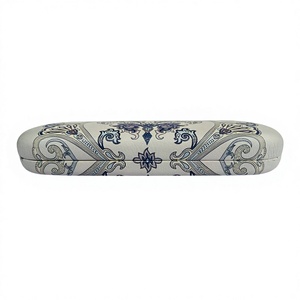
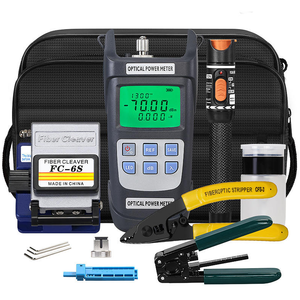
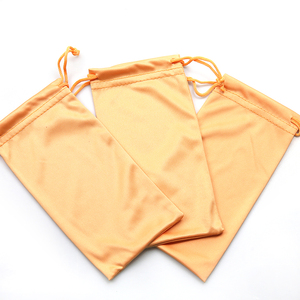
From 125ml streak-free lens sprays in diverse visual tints to clamshell hard cases, ultrasonic repair toolkits, and microfiber pouches—our consolidated catalog allows optical buyers to fill sea or rail containers under a single export invoice.
Every bottle is processed through negative pressure vacuum leak-detection stations and torque-controlled automated capping machinery. This ensures zero leakage during high-altitude rail cargo transport across rugged Eurasian continental routes.
Our dedicated international sales and technical regulatory division operates with disciplined responsiveness, delivering complete commercial invoices, chemical CAS breakdowns, and freight quotes within 24 business hours.
Everything you need to know regarding minimum orders, chemical formulations, winter transit safety, and custom branding.
No. For orders designated for the Russian Federation and CIS destinations, we utilize cold-stabilized formulations with low-temperature phase stabilizers. Our bottles are manufactured from high-density, elasticized virgin plastics that withstand -35°C without becoming brittle, preventing shipping ruptures.
Yes. Our solutions are 100% free of ammonia, harsh ketones, and concentrated alcohols. They are neutral-pH balanced and have been rigorously tested on organic ophthalmic substrates (CR-39, Polycarbonate, MR-7, MR-8) and multi-layered hydrophobic/oleophobic anti-reflective stacks without causing micro-crazing.
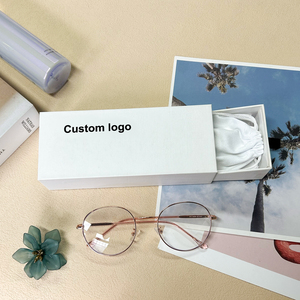
Absolutely. We provide comprehensive graphic support for private-label production. We can print full Cyrillic typography on the front and back of spray bottles, retail blister cards, and barcode labels, ensuring all mandatory EAEU consumer protection information is present for customs clearance.
For standard stock bottles without branding, MOQs start as low as 500 units. For fully customized private-label silkscreening or hot-stamping on lens cleaner bottles, hard-shell glasses cases, or microfiber cleaning cloths, MOQs generally start at 1,000 to 3,000 units depending on container tooling.
Yes. Every chemical export shipment is accompanied by an internationally recognized 16-section Safety Data Sheet (SDS) with CAS numbers, non-hazardous cargo certificates, and official laboratory testing reports to guarantee streamlined clearance through Vladivostok, Saint Petersburg, or overland border hubs.
Yes. One of our core competitive advantages is multi-category order consolidation. You can mix lens cleaners, microfibers, hard cases, and repair tool sets within a single container order, optimizing freight charges and simplifying import documentation under one vendor.