
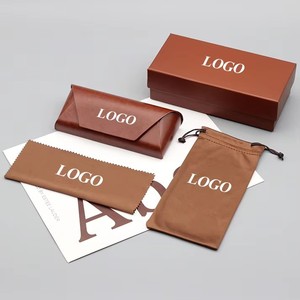
Explore our flagship metal, aluminum alloy, and tinplate eyeglass packaging architectures. Sourced directly from our high-precision Chinese manufacturing lines with zero middlemen markups.
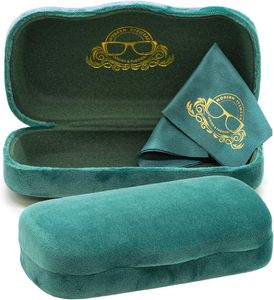
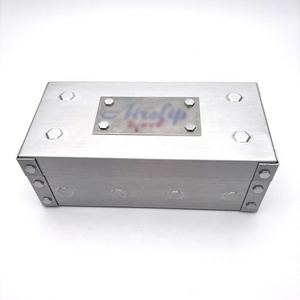
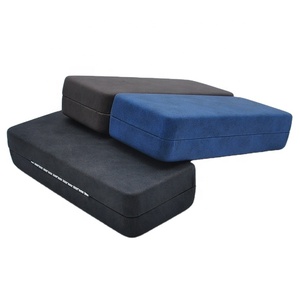

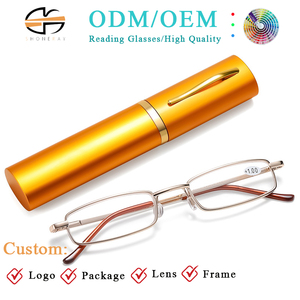
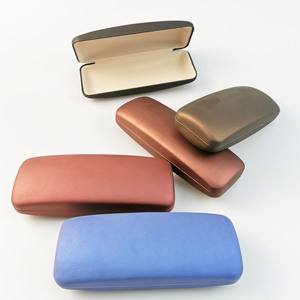
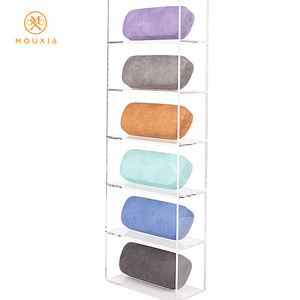
Within optical accessory supply chains, the metal eyeglass case represents the pinnacle of physical product protection. Unlike soft stitched pouches or injection-molded plastics susceptible to fatigue under thermal stress, hard metal cases leverage high-tensile stamped steel, tinplate (SPTE), or aircraft-grade 6000-series aluminum alloys. These substrates achieve structural rigidity through cold progressive die stamping, transforming thin metal sheets into rigid double-shell capsules capable of withstanding axial crushing pressures exceeding 40 kilograms.
Factory Truth: The durability of an optical hard case is determined not simply by outer skin thickness, but by the kinetic tension balance of the internal manganese steel spring hinge paired with a seamless acoustic closure gasket.
For optometry clinics, dispensaries, and international eyewear brands, selecting a qualified manufacturer in China is a strategic decision that impacts retail warranty claims and customer satisfaction. High-caliber factories utilize automated drawing dies to maintain uniform wall thickness (typically 0.40mm to 0.65mm for tinplate, and 0.8mm to 1.2mm for extruded aluminum). This baseline rigidity prevents edge deformation during transit, guaranteeing that internal flocked EVA or vacuum-formed PS liners retain an exact hermetic cushion around delicate anti-reflective (AR), polarized, and blue-light-blocking ophthalmic lenses.
| Substrate Material | Core Structural Tensile Strength | Weight vs. Protection Index | Surface Customization Protocols | Typical MOQs & Application |
|---|---|---|---|---|
| Electro-Galvanized Iron Sheet | Ultra-High (Crush resistance >50kg) | Heavy / Maximum Drop Protection | PU wrapping, heat transfer, silk screen | 1,000 pcs (Mass Optical Chains) |
| Deep-Draw Tinplate (SPTE) | High (Form stable under impact) | Medium / Cost-Optimized Shell | CMYK offset tin-printing, embossing | 3,000 pcs (FMCG / Readers Packaging) |
| 6063 Anodized Aluminum | Extreme (Yield strength ≥110 MPa) | Ultra-Light / Luxury Hand-Feel | Electrophoretic oxidation, laser engraving | 500 pcs (Designer & Titanium Frames) |
| Spring-Steel Hybrid Skeleton | Elastic recovery memory rating | Low / Slim Profile Travel Format | Textured leatherette lamination | 1,000 pcs (Boutique Foldable Cases) |
Brand equity demands flawless finish execution. Advanced Chinese OEM factories support three distinct finishing disciplines:
1. Direct Metal Lithography & UV Printing: Suitable for tinplate cases where multicolor CMYK artwork is cured directly onto metallic lacquer before die-cutting, ensuring zero peeling across a ten-year lifespan.
2. Substrate Laminations: High-adhesion thermal bonding of solvent-free PU leather, microfibre, velvet, or recycled polyester (rPET) over the metal shell. Edge wrapping requires precision rolling tolerances of 0.2mm to eliminate bubbling and fraying.
3. Micro-Mechanical Tooling: Deep debossing, mechanical relief embossing, and hot-foil stamping that register within 0.1mm accuracy, producing tactile brand markers that reflect dispensary prestige.
Global procurement directors are shifting operational priorities. Review the regulatory, environmental, and ergonomic developments defining the next generation of eyewear packaging.
Strict European Union packaging waste directives (PPWR) are compelling enterprise buyers to abandon non-separable multi-material constructions. Procurement is moving toward 100% recyclable tinplate and aluminum cases featuring snap-in liners that can be separated without chemical solvents at the end of their lifecycle.
With high-wrap sports sunglasses, shield geometries, and bold acetate silhouettes dominating the fashion optical market, standard rectangular clamshells frequently crush temple arms. Sourcing managers are consolidating inventory around internal cavity depths of 45mm to 55mm with ergonomic curvature contouring.
Procurement teams are reducing turnaround windows from months to days. The leading standard across Chinese manufacturing clusters is now digital-physical proofing: receiving physical strike-off photos and caliper dimension data within 24 to 48 hours before committing to full die cast production runs.
How manufacturing automation, lightweight metallurgical alloys, and industrial design are transforming traditional optical protection hardware.
Moving beyond sharp mechanical snaps that startle users, modern high-end cases incorporate concealed neodymium magnet arrays coupled with elastomer dampers, generating a muted "luxury automotive" click upon closing.
Moving away from heavy polyurethane covers, pure aluminum cases utilize CNC bead-blasting and hard-coat sulfuric anodization. This creates a scratch-proof, fingerprint-resistant, silky tactile surface that showcases the raw metallic substrate.
Precision-segmented inner metal cores allow rigid hard cases to collapse flat into a 12mm profile when empty. This engineering breakthrough decreases sea freight volume by up to 68%, lowering logistics expenditures for major distributors.
Combining vertically integrated Chinese metal-stamping lines with North American and international quality assurance benchmarks.
We are not a general promotional novelty factory. Every hydraulic press, rolling tool, and flocking jig is calibrated specifically for optical eyewear dimensions, nose bridge clearances, and lens curvature protection.
We eliminate guesswork. Before running mass volume production, we produce and photograph high-resolution physical proof units displaying exact pad-print registration, deboss depth, and color matching under D65 standard light.
Streamline your dispensing procurement: package metal cases alongside customized AR-coating-safe lens cleaner sprays, high-density microfiber cloths, and frame repair kits directly from a unified production hub.
Whether servicing regional optometry networks across Canada and North America or delivering full 40ft container loads directly to European ports, our logistics handle consolidated pallet shipping and customs compliance.
Direct technical answers addressing minimum order volumes, material choices, hinge stress ratings, and logistics protocols.