
Source high-demand precision components, professional dispensary tooling, and bespoke patient retention accessories engineered directly to global optical standards.
The global eyewear landscape has shifted dramatically from mere refractive vision correction to high-performance lifestyle, ergonomic utility, and preventative ocular health. Within this ecosystem, optical accessories represent an outsized portion of post-dispense patient satisfaction, practice branding value, and ancillary retail margin. Whether operating an independent optometric clinic, a regional retail chain, or an international distribution network, securing a resilient supply pipeline with verified Chinese manufacturing hubs provides the agility required to maintain market leadership.
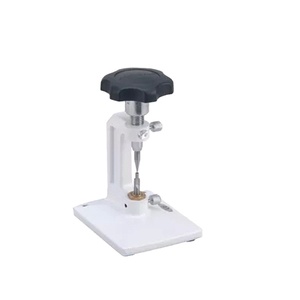
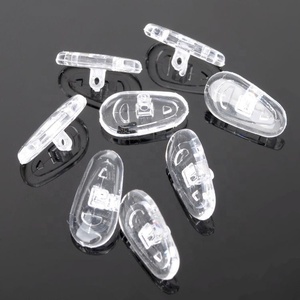
From precision dispensary workshop instruments—such as surgical-grade screw extractors capable of salvaging complex titanium or acetate frames—to daily patient interaction points like non-reactive silicone nose pads and hydrophobic microfibre cleaning arrays, accessories directly dictate brand equity. Forward-thinking procurement officers recognize that an accessory is not an afterthought; it is the physical ambassador of their optical practice that remains in the patient's daily life long after they leave the dispensing bench.
Navigating material science transitions, regulatory compliance, and consumer consumption shifts over the 2025–2030 horizon.
Global regulatory bodies (including FDA registration and EU MDR conformity) are elevating dermal contact standards. Bulk nose pad procurement is transitioning rapidly from standard PVC to hypoallergenic, curing-stabilized liquid silicone rubbers (LSR) and plant-derived thermoplastic polyurethanes that eliminate contact dermatitis and resist sebum yellowing.
Consumer pressure regarding microplastics has revolutionized lens cloths and protective pouches. The leading procurement trend involves Global Recycled Standard (GRS) certified rPET fibres, created from post-consumer recycled polymer bottles, dyed with heavy-metal-free waterless dispersion inks to satisfy stringent corporate ESG reporting requirements.
As advanced Anti-Reflective (AR), oleophobic, and narrow-band blue light filtering coatings become industry defaults, aggressive alcohol-based cleaners are obsolete. Factory formulation is turning exclusively toward isopropanol-free, electrostatic-neutral, streak-free surface surfactants designed specifically not to delaminate multi-layer metal oxide film coatings.
Essential benchmarking metrics when issuing RFQs to Chinese optical manufacturing facilities.
| Accessory Category | Material Engineering Benchmark | Tolerance & Lab Standard | Critical Procurement Audit Checkpoint |
|---|---|---|---|
| Dispensary Bench Tooling | HRC 58-62 Hardened Tooling Steel / SUS304 | ±0.02 mm thread fitment | Torque limit tolerance under shear strain without head strip |
| Replacement Nose Pads | Liquid Injection Moulded Silicone / Pure Titanium | Skin reaction cytotoxicity test zero | Tensile tear resistance at the retention core junction |
| Microfibre Woven Fabrics | 80/20 Polyester-Polyamide wedge structure micro-filament | Density ≥ 220 GSM | Zero lint drop & edge ultrasonic cut integrity without fray |
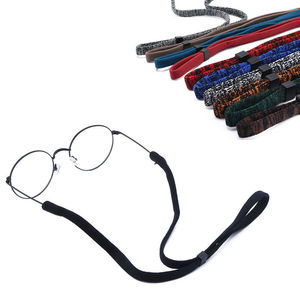
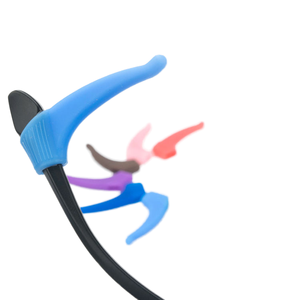
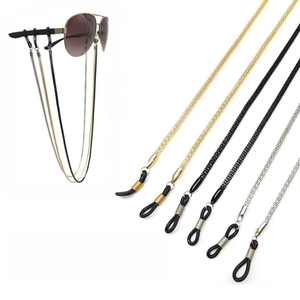
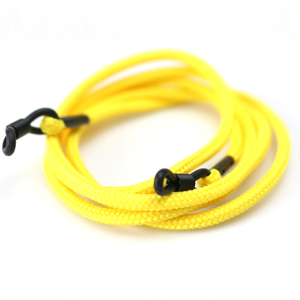
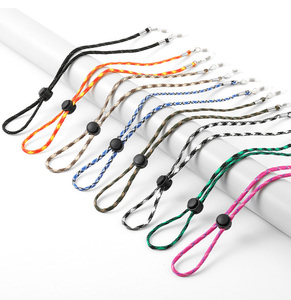
| Retainer Cords & Straps | High-elastomer Spandex / Braided Polyester / Braided Steel | Elongation elasticity recovery ≥ 98% | End-terminal silicone loop grip retention on acetate temple stems |
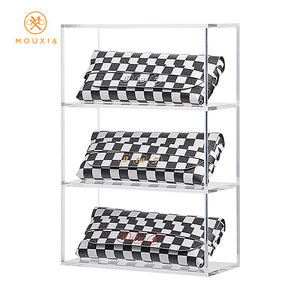
| Cases & Pouches | Structured EVA / GRS-certified PU Leatherette / Magnetic Core | Drop impact damping test > 1.5 m | Friction lining anti-abrasion cycle rating > 10,000 passes |
Our integrated manufacturing matrix bridges the gap between Asian high-volume production efficiency and Western optical clinical precision.
Unlike standard trading intermediaries that only provide digital mockups, we produce an actual physical proof sample on the target substrate—whether it is a pad-printed metal case, screen-printed ultra-fine microfibre, or labelled lens solution—and deliver high-resolution photographic calibration proofs before triggering full mass production.
All liquid formulations, wiping substrates, and microfibre dye processes adhere to chemical compliance standards that protect delicate optical treatments. We formulate cleaners completely free of ammonia, aggressive alcohols, and hazardous VOCs, ensuring safe long-term interaction with expensive free-form progressive and multi-coated sunglass lenses.
We are not general promotional merchandise vendors. Our engineering tolerances, supply catalogs, and logistical dispatch chains are purpose-built strictly around the dispensary bench, optometric retail display aesthetics, and professional repair workshop needs, minimizing SKU mismatch and stock wastage.
Authoritative technical guidance addressing common friction points in international accessory sourcing.
We utilize precision silk-screen printing with specialized high-elasticity water-based inks or dynamic sublimation transfer. These methods ensure that pigments impregnate the wedge fibers deeply rather than sitting atop the fabric. The print remains crisp without peeling, cracking, or generating harsh abrasive flakes even after multiple warm washing machine cycles.
Our dispensary maintenance components are machined using precision CNC threading to a strict ±0.02 mm metric tolerance. Screws feature pre-applied threadlocker or spring-hinge guide points where specified, ensuring complete dimensional compatibility with standard frame barrels from major Italian, Japanese, and global eyewear manufacturing houses.
Yes. Our automated warehousing infrastructure enables buyers to combine diverse product categories—such as hard cases, liquid lens cleaners, silicone nose pads, and sports cords—into unified, standardized palletized shipments. This dramatically reduces logistical freight overhead and simplifies customs clearance across North American, European, and Australian ports.
Our raw silicone and metallic components undergo strict batch verification for skin contact compliance, including testing for restricted plasticizers, heavy metals, and cytotoxicity. The materials are cured in controlled post-curing ovens to remove unreacted volatiles, ensuring zero dermal irritation or unpleasant chemical odours inside optical dispensary cases.
Connect with our technical optical sales engineering team for volume pricing tiers, certified laboratory data sheets, and custom packaging physical proofs.