Inspect our certified export portfolio ranging from compression-molded EVA protective shells to integrated optical service solutions, ready for branded production.
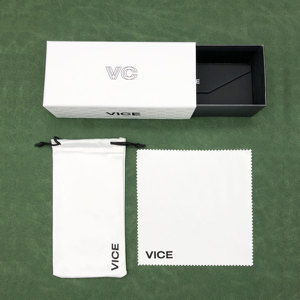
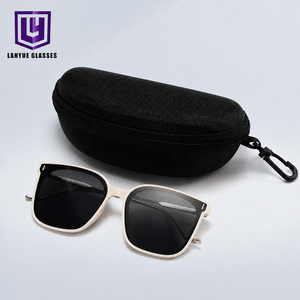
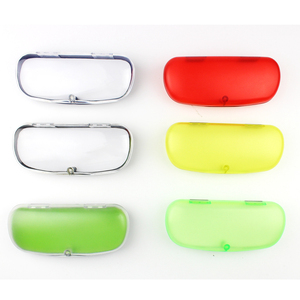
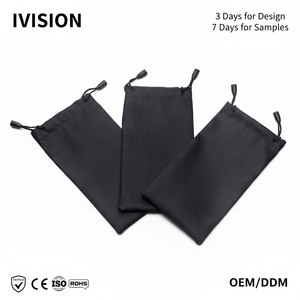
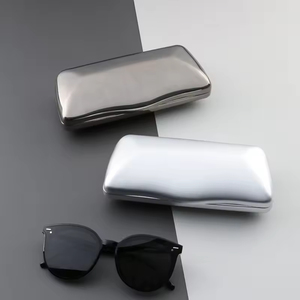
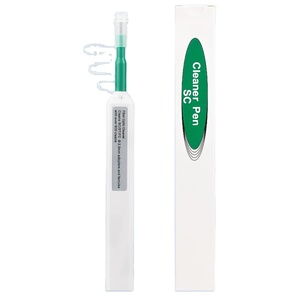
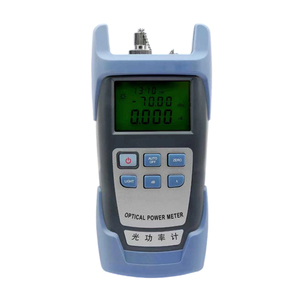
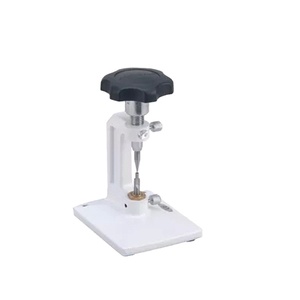
Ethylene-Vinyl Acetate (EVA) has revolutionized the eyewear accessories sector. While traditional sheet metal and brittle polystyrene cases once dominated dispensing counters, high-density thermoformed EVA has become the standard for sports sunglasses, luxury optical frames, and pediatric prescription glasses alike. When corporate buyers, optometry practice groups, and brand licensing conglomerates analyze the Top 10 EVA Eyeglass Case Exporter & Exporters, the evaluation extends beyond unit cost to examine polymer purity, thermoforming precision, cleanroom assembly standards, and chemical inertness.
Leading global manufacturers are centered around industrial hubs with vertically integrated supply chains—primarily across the Pearl River Delta, Yangtze River Delta, and specialized export facilitators across North America. Tier-1 exporters differentiate themselves by maintaining full internal control over the foaming, cross-linking, calendaring, and laminating stages. This end-to-end oversight ensures the resulting shell achieves an optimal balance between structural rigidity, weight minimization, and long-term drop cushioning.
Crucial Technical Insight: The performance of an EVA eyeglass case depends fundamentally on its closed-cell structure. Inferior export batches often mix calcium carbonate fillers to reduce raw polymer consumption, resulting in chalky surfaces, premature hinge tearing, and toxic VOC outgassing that compromises anti-reflective (AR) lens coatings.
To provide clear data for wholesale purchasers, our optical engineering team analyzed the top ten export consortiums specializing in custom-engineered protective eyewear packaging. The table below outlines key manufacturing and compliance metrics that every procurement department must verify prior to issuing a purchase order:
| Exporter Classification | Primary Foaming Density | Shore Hardness | Surface Lamination | Quality Standards |
|---|---|---|---|---|
| Tier-1 North American Hubs | 110 – 130 kg/m³ Closed-Cell | 75C – 80C Rigid | Waterproof PU / Recycled Oxford | FDA Class I, REACH, CPSIA |
| High-Volume Coastal Export Units | 90 – 110 kg/m³ Standard | 65C – 70C Medium | 1680D Ballistic Nylon / Spandex | ISO 9001, RoHS |
| Custom Boutique Packaging Houses | 120 – 140 kg/m³ Dense Matrix | 80C – 85C High-Armor | Vegan Leather / Flocked Velvet | Prop 65, EN 71-3 |
| General Purpose Bag Exporters | 60 – 80 kg/m³ Low-Density | 50C – 60C Soft | Polyester Tricot | Variable Inspection |
EVA is an elastomeric copolymer of ethylene and vinyl acetate. The vinyl acetate (VA) content determines its operational behavior: lower VA yields higher stiffness and thermal stability, whereas higher VA enhances flexibility and impact absorption. For precision eyewear cases, tier-1 manufacturers specify an optimal 18% to 28% VA formulation.
Closed-cell cross-linked EVA eliminates fluid absorption entirely. Unlike pressed paper or flock-lined tinplate, an EVA shell is naturally impervious to moisture, sweat, and optical saline solution spills.
Compression deflection resistance ensures that when external forces exceed 250N, the case deforms elastically without transmitting catastrophic impact loads to frame temples or premium lenses.
High-spec EVA blends withstand cockpit automobile temperatures exceeding 70°C without plasticizer migration, ensuring internal velvet coatings remain pristine without transferring adhesive traces.
The global eyewear accessories market is undergoing structural shifts driven by environmental mandates, omni-channel retail models, and rapid digitalization of eye care clinics. Savvy procurement officers monitor three transformative market forces:
Traditional petrochemical EVA is being rapidly augmented with sugar-cane-derived bio-resins and post-consumer recycled (rEVA) foam scrap. Global regulatory pressures—notably the European Union’s Corporate Sustainability Due Diligence Directive (CSDDD) and North American ESG reporting requirements—are compelling tier-1 exporters to offer fully verified circular materials. Sustainable EVA cases retain equivalent Shore 75C compressive resistance while cutting fossil-fuel dependency by up to 42%.
Modern progressive lenses and blue-light-filtering coatings feature hydrophobic, oleophobic, and anti-static layers that are highly sensitive to airborne chemical contaminants. First-generation export cases often utilized solvent-heavy glues to laminate internal microfiber linings, which off-gassed during ocean transit and etched permanent cloud patterns into polycarbonate lenses. Next-generation exporters employ solvent-free PUR hot-melt adhesives and water-based laminations, guaranteeing complete lens coating integrity straight out of the box.
To simplify municipal recycling, leading packaging designers are engineering monomaterial cases featuring EVA shells with ultrasonically welded EVA zippers, eliminating steel sliders and multi-polymer trim. This single-stream design allows optical practice patients to discard worn units directly into standard recycling bins without secondary separation.
Eliminate ocean-freight uncertainties and off-spec printing. We provide verified local inventory, rigorous quality protocols, and end-to-end dispensing accessories for optical practices.
Local fulfillment from 311 Bowes Rd, Unit B2. Avoid international port backlogs with direct North American warehouse availability.
We photograph a physically printed sample for your exact review and sign-off before mass production runs ever start.
Fast B2B communication. Speak with dedicated optical packaging specialists ready to assist with sizing specs and custom branding options.
Complete counter coverage: hard & soft cases, AR-safe 125 ml sprays, microfibre cloths, screws, nosepads, and optical repair tooling.
Essential guidance covering technical requirements, custom logo processes, and quality assurance benchmarks.
For reliable everyday impact defense, clinical optometry practices recommend an EVA hardness of 70C to 80C. Anything below 60C behaves like soft foam, which flexes under minor luggage loads and risks frame bending. Ratings above 85C can add unnecessary weight and become brittle in cold conditions.
For ballistic nylon or woven fabric lamination over EVA, high-temperature thermal transfer printing or stitched rubber PVC badges offer maximum longevity. For smooth polyurethane (PU) laminated shells, pad printing with solvent-resistant inks or heat debossing produces clean, premium brand presentation.
Top Flight Canada ensures that all case linings and compatible cleaning products are verified free of aggressive silicone plasticizers, volatile amines, and industrial solvents. Our hot-melt lining adhesives undergo curing tests to ensure zero off-gassing, keeping premium multi-coated lenses streak- and haze-free.
Rather than relying solely on 2D digital mock-ups, we manufacture a physical sample on the production equipment and supply high-resolution photographic proof showing true color matching, placement, and relief depth. Mass thermoforming only proceeds after your written sign-off.
Equip your clinics and optical stores with durable, brand-aligned EVA cases, custom lens cleaners, microfibre cloths, and bench repair essentials. Inquire today for custom quotes and free sample evaluation.