Our primary OEM/ODM production matrices cover rigid tinplate cores, impact-absorbing molded EVA, tactile textured PU leathers, and laboratory-formulated surface chemistries engineered specifically to protect high-index and multi-coated anti-reflective (AR) ophthalmic lenses.

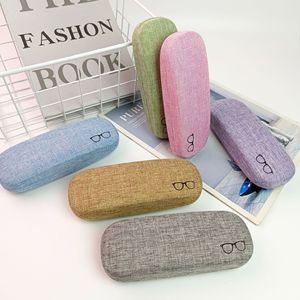
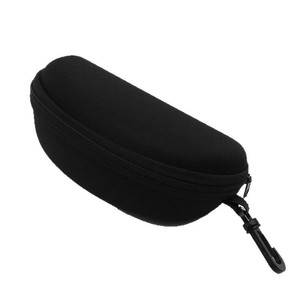
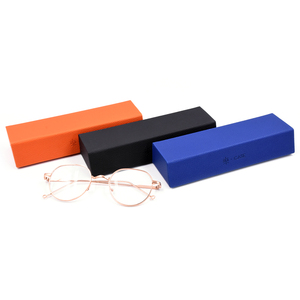
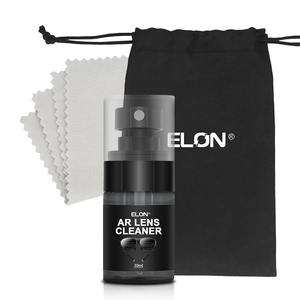
Originating from our Vaughan, Ontario distribution and supply chain headquarters (Top Flight Canada) and collaborating directly with specialized Tier-1 overseas casting foundries, our manufacturing ecosystems synthesize European design aesthetics with rigid industrial QA. We address the primary pain point of wholesale optical procurement: catastrophic hinge breakage, lining adhesive delamination, and volatile chemical off-gassing that fogs optical lenses in stock inventory.
Optical cases are not merely containers; they are micro-environments that directly interface with high-value ophthalmic assets. Inferior plasticizers, solvent-heavy polyurethane glues, and abrasive textile weaves degrade hydrophobic lens treatments, scratch anti-reflective stacks, and accelerate acetate frame degradation.
Using 0.35mm–0.50mm SPCC tinplate ensures the case retains elastic deformation memory without permanent buckle under luggage impact, keeping high-index prescription lenses free of lateral pressure.
Our skin-contact materials eliminate dimethylformamide (DMF) residues. Soft-touch polyurethane layers resist daily sebum, ultraviolet degradation, and humidity without edge peeling or tackiness.
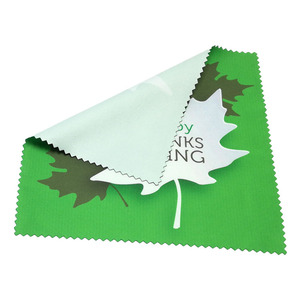
Textile filaments are physically split via high-pressure hydro-entanglement into 0.13 denier wedge cross-sections, trapping sub-micron grease and airborne particulate without scouring delicate AR layers.
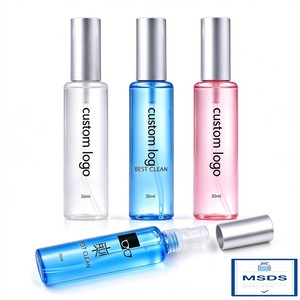
Our 125ml and 30ml lens formulas use deionized pharmaceutical water and neutral non-ionic surfactants to lower surface tension, lifting dust particles without stripping fluorosilane oleophobic coatings.
B2B purchasing directors, retail optometry executives, and corporate eyewear brands face changing consumer demands and stricter sustainability legislation. Aligning with an OEM/ODM partner that innovates ahead of regulatory mandates is vital.
European and North American regulatory guidelines are moving beyond virgin petrochemical substrates. Leading optometry groups are shifting toward GRS-certified (Global Recycled Standard) recycled PET interior plush liners and water-based, solvent-free bio-PU covers derived from corn waste. Procurement pipelines that transition to circular substrates now avoid future carbon import tariffs and appeal directly to eco-conscious consumers.
Global container freight volatility has reinforced the value of volumetric efficiency. Traditional rigid clamshell cases waste substantial cube space inside ocean containers. Triangle-foldable magnetic rigid cases collapse flat when empty, yielding up to a 65% reduction in international freight volumes and clinic stockroom footprints, dramatically improving landed margin per unit.
Standalone case dispensing is being superseded by unified patient maintenance packs. Modern independent optical boutiques and ophthalmic clinical networks require branded kits containing a matched hard case, bespoke edge-printed microfibre towel, 30ml/125ml streak-free optical cleaner spray, and branded micro-repair screwdrivers. Bundled packaging reinforces brand recall at the patient's daily point-of-use.
Direct answers to the questions optometrists, purchasing managers, and commercial brand directors ask when establishing long-term OEM/ODM manufacturing partnerships.
Whether you require 500 custom-branded spectacle cases for a boutique optical chain or full container volumes of specialized cleaner solutions and microfibre cloths, our engineering and supply team delivers verified quality, competitive factory pricing, and rigorous quality control.