Precision-milled adjustment components, hard protective enclosures, and dispensing-counter tooling curated for high-volume optical retail brands and ophthalmic clinics.
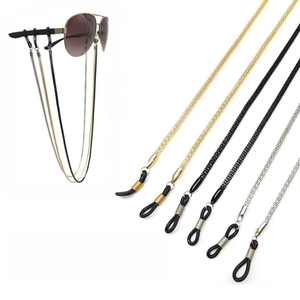
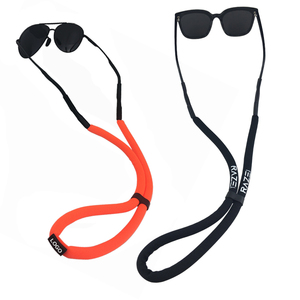
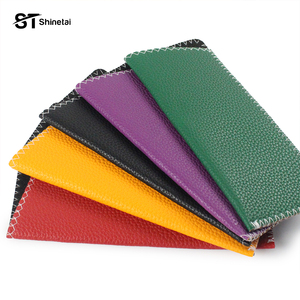
In modern optical retail and ophthalmic dispensing environments, the eyeglass case is not a mere transit container; it represents a functional extension of the optical brand's industrial design integrity. As high-index prescription lenses, specialized hydrophobic coatings, and delicate blue-light filters become industry standards, enclosures must deliver verified structural rigidity, chemically inert linings, and zero-fatigue closure mechanisms. Sourcing departments evaluating Custom OEM Magnetic Glasses Case manufacturing partners must transition away from subjective aesthetics and adopt verifiable engineering metrics.
Commercial eyeglass cases face cyclic compression stresses throughout real-world consumer lifecycles. Standard OEM solutions utilize cold-rolled sheet steel cores (typically 0.4mm to 0.6mm thickness) stamped under progressive dies or thermoformed high-density aluminum shells. Aluminum alloy cores offer a 40% reduction in tare weight—a critical metric for direct-to-consumer (DTC) global logistics—while maintaining superior torsional resistance.
For custom exterior cladding, optical brands predominantly specify thermo-laminated polyurethane (PU), vegan leather, or ballistic textile weaves. The lamination adhesive must demonstrate high thermal stability (-15°C to 60°C) without chemical off-gassing, preventing volatile organic compounds (VOCs) from degrading volatile anti-reflective (AR) lens coatings during prolonged container storage.
Traditional mechanical snap hinges rely on torsion springs that undergo plastic deformation and mechanical fatigue within 3,000 to 5,000 cycles. Conversely, concealed rare-earth NdFeB (Neodymium Iron Boron) magnetic closure architectures offer non-contact, indefinite retention performance. OEM design specifications require a calibrated magnetic pull force typically between 800 and 1,400 Gauss at zero air-gap. This rating prevents accidental container opening inside a crowded tote or backpack while maintaining a smooth, tactile haptic feedback curve requiring less than 4.5 Newtons of tactile separation force by the end user.
| Architecture Type | Core Material Substrate | Closure Mechanism | Cycle Durability | Optimum Target Eyewear |
|---|---|---|---|---|
| Tri-Fold Magnetic Foldable | 1200 GSM Greyboard / EVA Sub-plate | Dual Neodymium Inset Bar | 10,000+ Opening Cycles | DTC Sunwear & Everyday Rx Dispenings |
| Rigid Clamshell Magnetic | 0.5mm Cold-Rolled SPCC Steel | Recessed Circular N45 Magnet | 25,000+ Cycles (No Hinge Spring) | Luxury Acetate & Titanium Rimless Frames |
| Hard-Shell Aluminum Slip | 6063-T5 Anodized Aluminum | Linear Magnetic Edge Retention | Lifetime Non-Degrading | Ultra-Thin Minimalist Optical Prescriptions |
| Hybrid Soft-Rigid Pouch | High-Density Thermoformed PU | Self-Snapping Magnetic Lip Closure | 8,000+ Cycles | Sports Wrap & Oversized Shield Shades |
Internally, premium optical cases incorporate high-filament-count microfibre, velvet, or flocked EVA linings. Critical procurement audits demand that interior flocking adhesives remain 100% water-based and zero-plasticizer. Plasticizers found in low-grade adhesives can leach over time, resulting in irreversible hazing and surface crazing across polycarbonate (PC) and CR-39 lens substrates.
Global optical retail procurement has shifted radically. Forward-thinking eyewear brands, clinic chains, and optometry networks are restructuring their tender criteria to prioritize sustainability and flat-pack spatial efficiencies.
Freight economics represent a decisive cost driver for optical importers. The shift toward origami-style triangular and hexagonal foldable magnetic cases reduces inbound sea and air freight cube volume by up to 68% compared to traditional hollow clamshell configurations, minimizing warehouse footprints without compromising rigid protection once deployed at the clinic.
Enterprise optometry purchasing departments increasingly require compliance with circular manufacturing frameworks. Leading OEM exporters now integrate certified GRS (Global Recycled Standard) recycled PU, sea-bound plastics, and ocean-bound rPET fabrics paired with bio-degradable non-wood paper pulp cores to satisfy institutional ESG mandates across North America and Europe.
With smart-wearable adoption accelerating, next-generation custom magnetic cases feature dedicated RF-shielded or precision-molded internal pockets tailored for Bluetooth and ultra-wideband (UWB) tracking beacons (such as Apple AirTags or Android Find Hubs). This provides added functional value for premium prescriptive frame collections.
Rooted in rigorous quality assurance and an optical-exclusive focus, our enterprise infrastructure guarantees supply chain transparency, exact physical proofing, and responsive execution.
We eliminate batch manufacturing risk by providing high-resolution physical photographic proof approvals or master tool physical countersamples prior to production startup. Color fidelity, debossing depth, magnetic pull tolerance, and edge stitches are rigorously audited and validated by the client.
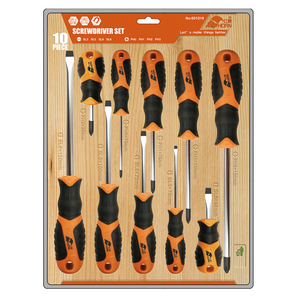
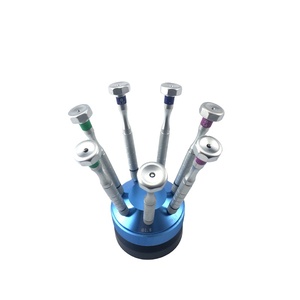
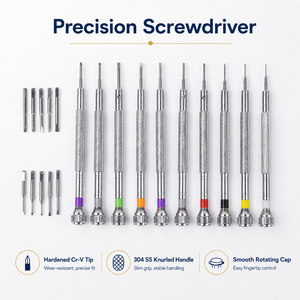
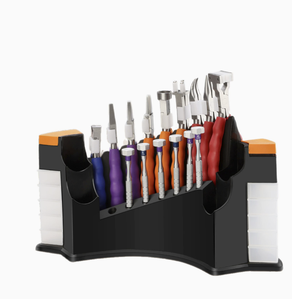
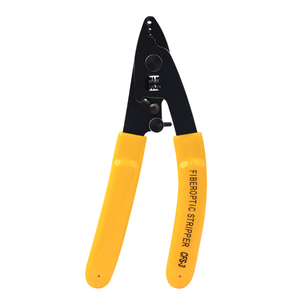
Unlike generic packaging suppliers, our factory floor directly develops the complete spectrum of dispensing counter requirements—ranging from high-torque optical screwdrivers, rimless frame adjustment pliers, and anti-static microfiber wipes, to AR-safe lens cleaners. Every packaging line is precision-engineered to integrate seamlessly with standard clinic work surfaces.
Maintaining responsive operations with dedicated sales coordination hubs in Canada and manufacturing lines abroad, we provide confirmed inventory quotes and digital tooling mockups within 24 business hours. Our container packing guarantees minimum breakage margins and compliant export customs documentation across all 13 Canadian provinces and major international ports.
Direct technical answers addressing minimum order volumes, material specs, logo customization techniques, and compliance tolerances for commercial buyers.
We provide industrial-grade Pad Printing for curved or rigid steel shells, Precision Hot-Foil Stamping (gold, silver, matte, holographic), Blind Debossing/Embossing for PU leathers, Screen Printing for textile surfaces, and High-Definition UV Digital Full-Bleed printing for limited edition branded capsules.
Standard custom runs utilizing catalog core shapes with bespoke PU colors and custom exterior branding typically start at 500 to 1,000 units. Fully custom structural tooling, specific metal mold tooling, or bespoke interior cavities require an MOQ of 3,000 units per geometry to offset CNC steel mold fabrication costs.
Our magnetic cases use strategically placed low-profile ferromagnetic backer plates (mild steel shims) behind the Neodymium magnets. This directs and shields the magnetic flux inward toward the contact point, keeping external parasitic magnetic flux well below 5 Gauss at 5mm distance—preventing issues with credit cards and smartphones.
Yes. Every batch of internal synthetic velvet and flocking adhesive undergoes RoHS, REACH, and environmental chamber test verification. We require that linings emit zero reactive plasticizers or VOC solvents that could cause anti-reflective coating delamination or haze accumulation on polycarbonate and high-index lenses.
Following final digital vector sign-off, physical pre-production sample proofs are completed and photographed within 5–7 business days. Mass production requires 20–30 business days depending on volume and finishing complexity. Consolidated ocean freight from our docks to North American and European ports averages 18–25 days.
Absolutely. We specialize in coordinated dispensing counter programs. We can manufacture magnetic cases, ultra-fine high-density microfiber cloths, drawstring pouches, and private-label AR-safe lens cleaner spray bottles using matching custom Pantone PMS brand hues for unified retail presentation.
Consult with our engineering and procurement specialists to develop custom OEM magnetic eyeglass enclosures tailored to your frame designs, brand specifications, and ESG targets.
Inquire Now