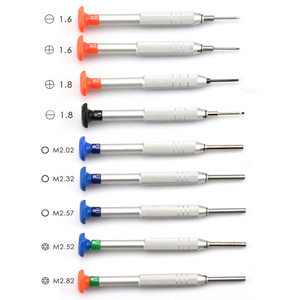
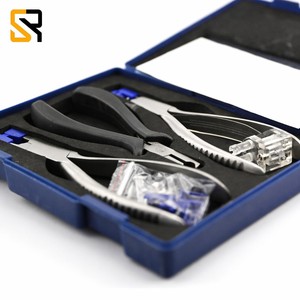
Direct-from-factory high-yield toolkits, precision optical plier assemblies, ultrasonic-safe lens treatments, and DIN/ISO-compliant optical screw assortments manufactured to aerospace-grade micro tolerances.
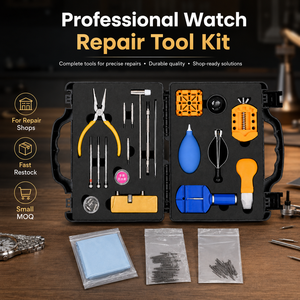
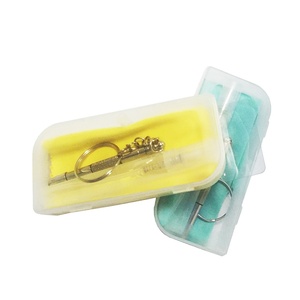
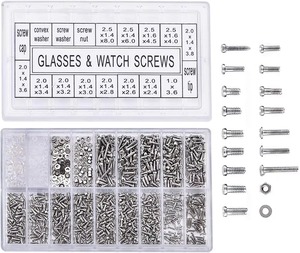
The international supply chain for optical dispensing accessories has transitioned from rudimentary consumer giveaway kits to sophisticated, laboratory-grade maintenance systems. Modern eyewear architectures—encompassing ultra-lightweight beta-titanium memory alloys, high-density cellulose acetates, flexible Ultem polymers, and delicate rimless silhouette mountings—demand extreme mechanical precision from repair hardware. Sourcing glasses repair kits requires procurement directors to scrutinize fastener metallurgy, hardness parameters (Rockwell C scale), corrosion resistance under accelerated saline environments, and ergonomic tool design to eliminate slippage and lens damage.
As a premier Chinese manufacturer and dedicated global exporter aligned with Canadian logistics expertise, our production operations adhere strictly to international standards including ISO 1501 (miniature screw threads), ISO 12870 (ophthalmic optics specifications), and ASTM B117 (standard practice for salt spray corrosion testing). By replacing low-grade recycled alloys with cold-forged AISI 304 and 316 austenitic stainless steels or Grade 5 Titanium (Ti-6Al-4V), we ensure that dispensing tables, optical retail chains, and optometry clinics receive micro screws that resist strip-out, shearing, and galvanic corrosion caused by human perspiration and atmospheric humidity.
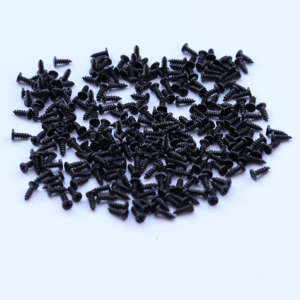
Standard commercial screws often utilize low-carbon mild steel susceptible to swift oxidation and head shear. Our optical micro-fasteners (M1.0 through M1.7 thread diameters) are CNC Swiss-lathe machined or cold-headed from medical-grade AISI 316 stainless steel and aerospace titanium alloys, providing 850+ MPa tensile strength and complete galvanic immunity when contacting acetate or gold-plated temples.
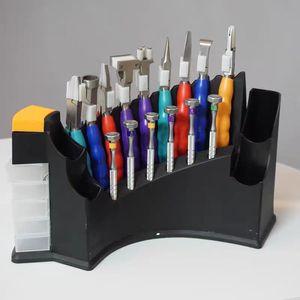
Driver slip is the leading cause of scratched ophthalmic lenses during hinge tightens. We utilize shock-resisting S2 modified tool steel vacuum-hardened to HRC 58-62. Featuring computer-controlled magnetic tip polarization and micro-machined precision Phillips, flat, and star heads, our screwdrivers seat into fastener slots with zero axial play, protecting high-index digital free-form lenses from accidental impact.
Conventional PVC nosepads suffer from plasticizer migration, causing yellowing, bacterial buildup, and dermal irritation. Our replacement kits integrate biocompatible Liquid Silicone Rubber (LSR) and pure virgin polyvinylidene fluoride (PVDF). Utilizing hypoallergenic injection molds, these nosepads maintain shore hardness consistency from -20°C to +60°C without skin adhesion or hardening.
The following engineering criteria define our export baseline across standard, premium, and laboratory-tier optical toolkits.
| Component Group | Standard Material Grade | Machining Tolerance | Corrosion Standard (Salt Spray) | Typical Laboratory Application |
|---|---|---|---|---|
| Hinge & Barrel Screws | AISI 316 Stainless / Grade 5 Titanium | ISO 1501 Class 4h (±0.015mm) | ASTM B117 > 96 Hours Streak-Free | High-stress spring hinges, luxury horn/acetate frames |
| Self-Tapping Micro Screws | Surface-Case Hardened S302 / S304 | Metric M1.2 – M1.7 Nominal | Passivated Acid Wash Grade A | Fast emergency dispensary frame adjustments |
| Optical Screwdriver Shafts | S2 Tool Steel / Chrome Vanadium Plus | Tip Concentricity ≤ 0.02mm | Electroless Nickel / Black Oxide | Daily optometric dispensing counter adjustments |
| Rimless Compression Pliers | Forged 420 High-Carbon Stainless Steel | Jaw Parallelism ±0.03mm | Passivated Satin Finish | Three-piece rimless drill mount framing and adjustments |
| Hypoallergenic Nosepads | Optical Liquid Silicone (LSR) / Air-Chamber | Shore Durometer A 35–45 | Immune to Lipid & Sweat Degradation | Direct patient contact replacements for pediatric & geriatric frames |
B2B optical buyers are navigating transformative shifts in inventory management, sustainability mandates, and retail customer expectations. The global eyewear accessory industry is evolving beyond cheap plastic cases and throwaway screwdriver keychains into structured, value-added dispensings that reinforce clinic branding and reduce post-purchase returns.
Optical chains are discarding fragmented inventory in favor of unified, compartmentalized micro-fastener organizer systems. Rather than sourcing twelve distinct screw boxes, purchasers specify 1,000-piece and 1,200-piece universal metric repair trays featuring color-coded silicone grommets, standardized thread pitches, and clear lid sizing maps that accelerate lab bench repairs and cut stockout errors by up to 40%.
With the European Union's CSRD (Corporate Sustainability Due Diligence) and North American packaging directives expanding, importers are prioritizing PVC-free, biodegradable, and recycled polymers. Procurement contracts now enforce PCR (Post-Consumer Recycled) plastics for tool enclosures, organic wheat-straw resin screwdriver handles, and REACH/RoHS-certified chemical cleaning formulas free of volatile organic compounds.
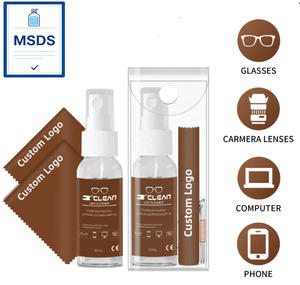
Forward-thinking optometric groups recognize that patient home-care kits offer enduring daily visual impressions. Instead of distributing generic tool packs, clinics leverage factory-level pad printing, silk screening, and high-definition laser engraving to imprint their corporate identity onto aluminum screwdriver barrels, lens cleaning microfiber kits, and EVA zippered hard cases, driving secondary retail retention.
Unlike intermediaries who merely aggregate components from third-party wholesale markets, our organization unites dedicated precision hardware manufacturing in China with refined distribution infrastructure rooted in North American quality controls. Through established distribution nodes such as Top Flight Canada based in Vaughan, Ontario (serving independent optical stores, eye clinics, and optometric chains across all 13 Canadian provinces and territories), we merge factory-direct pricing with stringent quality governance.
Every custom-branded project undergoes physical pre-production sampling. We transmit high-resolution macro photography and physical verification units for client review before mass stamping commences, guaranteeing absolute color fidelity, dimension compliance, and zero production surprises.
Our optical screws and plier assemblies endure severe statistical quality assurance. Automated optical sorting machines eliminate burrs, damaged threads, and dimensional variances at an Acceptance Quality Limit of 1.0, preserving dispensary reputations.
By pairing high-volume Chinese manufacturing operations with localized North American warehouse reserves, our partners benefit from optimized ocean-freight container pricing alongside emergency SKU replenishments that bypass transpacific transit bottlenecks.
All bundled liquid cleaners undergo rigorous laboratory testing to verify 100% chemical safety on high-index multi-layer anti-reflective (AR), super-hydrophobic, oleophobic, and blue-light filtering lens coatings without inducing micro-crazing or delamination.
Actionable answers to technical, logistical, and custom-branding questions frequently raised by optical purchasing directors.
Partner directly with an established Chinese manufacturer and trusted international exporter. Request competitive factory tier pricing, customized private-label proofs, or sample evaluation kits today.