
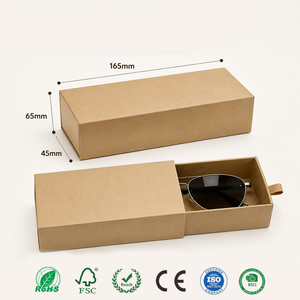
- Eco-friendly biodegradable kraft structure
- Smooth sliding drawstring mechanism
Discover our core lineup of eco-engineered felt pouches, rigid protective cases, microfiber accessories, and boutique unboxing collections engineered to scale your retail brand margin.
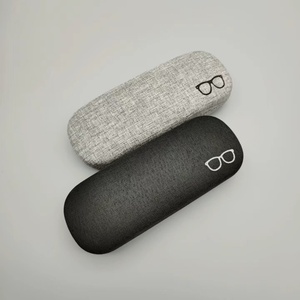
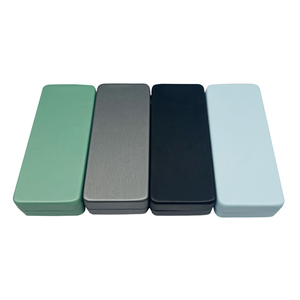
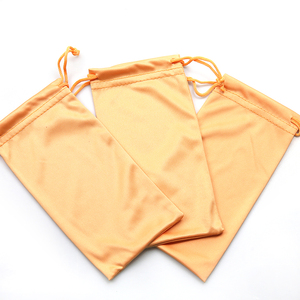
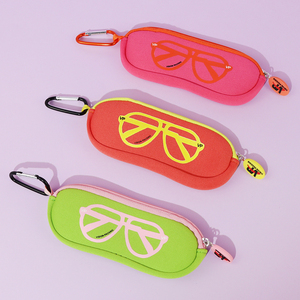
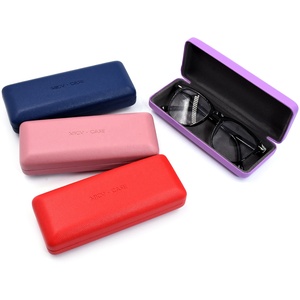
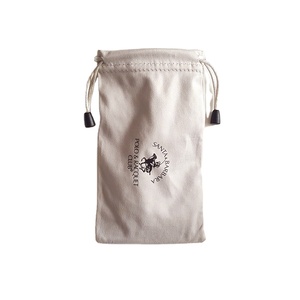
In the contemporary ophthalmic and fashion eyewear landscapes, secondary packaging is no longer merely a utilitarian protective sheath; it serves as the physical anchor of brand identity and environmental stewardship. As global regulations tighten around non-biodegradable virgin plastics, international optical chains, luxury boutique houses, and optometrist networks have pivoted toward structured needle-punched felt, pressed wool, and recycled rPET synthetic fibers. China stands at the center of this manufacturing transformation, combining advanced nonwoven textile engineering with precision ultrasonic die-cutting and artisanal finishing.
Sourcing directly from an established China felt eyeglass pouch manufacturer provides B2B buyers with access to fully vertical supply networks. From raw polymer recycling and raw fleece grading through needle-felting, thermoforming, laser edging, precision silkscreen or foil debossing, direct factory partnerships reduce unit procurement overhead by 28% to 45% compared to intermediary trading houses, while ensuring strict chemical compliance with REACH, RoHS, and Prop 65 standards.
A critical failure point in low-grade optical pouches is fiber shedding (micro-linting), which deposits abrasive particulates onto electrostatically charged polycarbonate and high-index lenses. Our factory mitigates this through thermal surface singing and mechanical calender polishing. Buyers must assess the raw substrate specifications based on clinical utility, retail positioning, and carbon-reduction targets.
Derived from post-consumer plastic bottles. Certified under the Global Recycled Standard (GRS). Provides high dimensional stability, crisp laser-cut borders, moisture resistance, and exceptional tensile endurance.
Luxurious, biodegradable, naturally flame-retardant material offering unmatched organic texture. Excellent acoustic dampening, shock absorption, and prestige aesthetic for heritage designer frames.
Dual-laminated composite fusing an exterior protective 3mm structural felt shell with an ultra-soft 180 GSM microfiber optical interior that actively wipes oils while preventing temple abrasion.
| Substrate Class | Typical Density (GSM) | Surface Lint Index | Lens AR Safety Rating | Sustainability Profile | Primary Commercial Use |
|---|---|---|---|---|---|
| Post-Consumer rPET Felt | 350 – 500 GSM | Near Zero (<0.02 mg/cm²) | 99.8% AR Coating Safe | 100% Recycled (GRS Verified) | Mass Retail, Chain Dispensing |
| Pressed Virgin Wool Felt | 400 – 650 GSM | Moderate (Requires Singeing) | 98.5% AR Coating Safe | 100% Natural Biodegradable | High-End Artisan Eyewear |
| Polyester / Viscose Blend | 280 – 380 GSM | Low to Moderate | Standard Optical Safe | Standard Synthetic | Promotional Giveaways, Readers |
| Microfiber-Laminated Felt | 450 – 600 GSM Composite | Zero Particulate Shed | 100% Scratch-Immune | Hybrid Circular Available | Flagship Titanium / Gold Frames |
As the international eyewear market shifts toward omni-channel distribution and sustainability metrics (ESG), procurement directors must adjust their supply chain architecture to accommodate five emerging product vectors:
European and North American buyers face escalating compliance mandates regarding plastic reduction (such as the EU Packaging and Packaging Waste Regulation - PPWR). Over the next 3 to 5 years, wholesale contracts will increasingly require blockchain or digital QR-traceable supply chains that verify exact rPET bottle origination or chemical non-toxicity certifications. Pouches featuring natural vegetable-tanned leather pull-tabs and nickel-free hardware will dominate premium replenishment orders.
Traditional hard-shell metal clamshell cases impose high volumetric shipping costs and heavy carbon footprints. Conversely, ultra-thin soft microfiber slips provide insufficient crush defense for delicate prescription acetate hinges. The industry solution is the thermoformed structural felt pouch. By heat-compressing 4mm felt with recycled EVA cores under 60-ton hydraulic presses, our factory yields semi-rigid cases that weigh 65% less than tinplate iron cases while absorbing up to 45 kg of direct perpendicular crushing force.
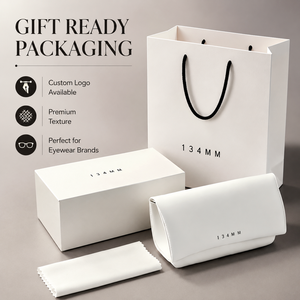
Modern consumers expect unified visual packaging. Sourcing teams are bundling felt sleeves directly with matching 180 GSM high-density microfiber cloths, AR-coating safe lens cleaner sprays (125 ml), and replacement screw/nosepad maintenance cards. Harmonizing the physical felt pouch texture with retail gift paper bags and internal Kraft backing elevates the dispensing ritual from a medical hand-off to an experiential consumer touchpoint.
Partnering directly with our Chinese manufacturing facility bridges the gap between creative industrial design and high-throughput production rigor. We maintain strict end-to-end quality protocols ensuring that every pouch matches approved master standards.
We eliminate production discrepancies by supplying high-resolution physical sample photos and strike-off prototypes for written approval prior to bulk manufacturing runs.
Automated multi-head CNC laser cutters guarantee edges with zero fraying, sealed margins, and tolerances within ±0.3mm across multi-thousand unit batches.
Flexible production lines support boutique custom runs alongside multi-container wholesale shipments, granting agile access to custom Pantone color-matching.
Our dedicated packaging specialists assess CAD drawings, dimension sheets, and logo artwork vector files to provide itemized DDP/FOB pricing within 24 hours.
Felt presents a distinct porous topography requiring tailored branding methods. Our facility provides specialized decorative technologies engineered to deliver crisp typography and durable adhesion:
When selecting a manufacturing partner in China for felt eyeglass pouches, procurement teams should follow a comprehensive quality audit protocol to protect brand reputation:
Confirm interior clearance accommodates oversized sun lenses (minimum 165mm x 75mm x 40mm) and chunky acetate temples without seam stress.
Subject sample swatches to Martindale abrasion tests (minimum 20,000 cycles) to ensure zero micro-scratching on premium multi-layer Crizal AR lens coatings.
Verify snap buttons, neodymium magnetic clasps, and Japanese elastic cords maintain mechanical retention over >5,000 open/close cycles.
Direct technical answers addressing the most common concerns of optical lab managers, private-label directors, and wholesale buyers.