Engineered for maximum coefficient of friction without dermato-toxicity. Sourced directly from audited production facilities with rigorous quality verification before shipment.
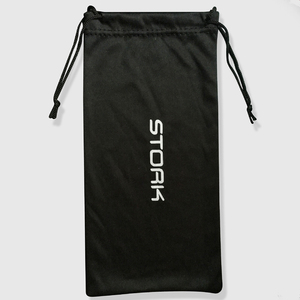
High-density 220 GSM non-abrasive microfiber drawstring pouch, custom tailored to prevent lens friction, scratches, and static charge buildup during transport.
View Specifications →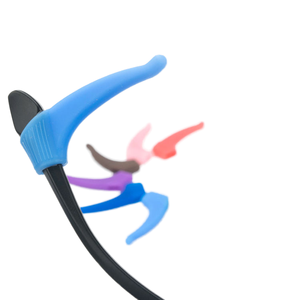
Medical-grade vulcanized silicone retention hooks in 12 color variants. Ergonomically contoured to temple tips to eliminate forward slippage under perspiration.
View Specifications →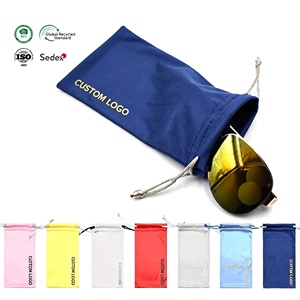
Silky filament-weave soft storage case engineered with dual-pull braided cords. Delivers anti-dust surface protection and custom debossed or silkscreened clinic branding.
View Specifications →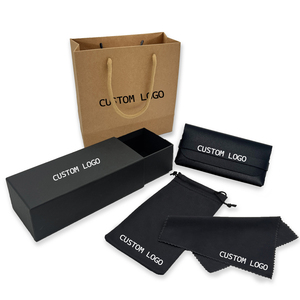
Structured PU composite casing equipped with anti-collapse inner velvet lining. Provides structural shielding and high-end aesthetic value for progressive dispenses.
View Specifications →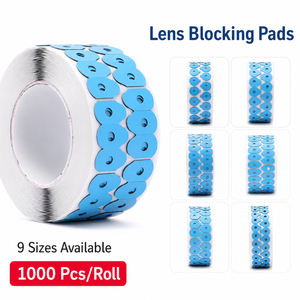
Industrial double-sided adhesive hydro-repellent foam pads designed for CNC lens edging. Prevents slippage and optical axis shift on hydrophobic and AR coated lenses.
View Specifications →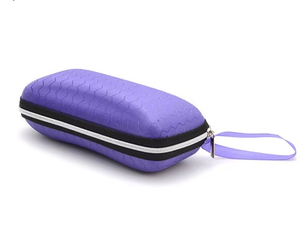
Molded high-density shock-absorbing EVA foam shell lined with memory elastomer cushioning. Accommodates oversized sport sunglasses and heavy safety eyewear.
View Specifications →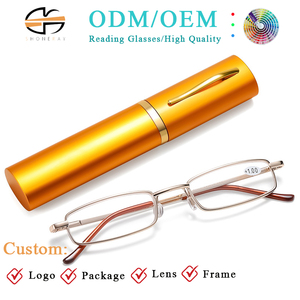
Recyclable lightweight aluminum-alloy hard case engineered with snap-spring hinge closure and anti-vibration felt bedding for compact folding reading glasses.
View Specifications →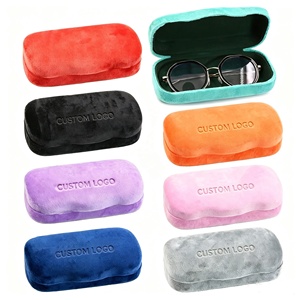
Deep-draw steel shell wrapped in plush electrostatic-flocked velvet. Built with calibrated high-retention metal hinges for premium designer frame presentation.
View Specifications →A comprehensive examination of shear forces, skin contact dermatological neutrality, and elastomeric polymers in eyewear stability systems.
In standard ophthalmic dispensing, vertex distance (the clearance between the cornea and the back surface of the ophthalmic lens) directly dictates optical power fidelity, particularly in high-minus, high-cylinder, and progressive addition lenses (PALs). When an eyeglass frame shifts forward down the nasal bridge by as little as 2.5 millimeters, the effective prescription induces unwanted prismatic effects, peripheral astigmatic aberration, and ocular fatigue for the wearer.
Nasal bridge slippage is fundamentally a failure of static friction under the presence of a lipid-aqueous boundary layer. Human skin continuously secretes sebum (a complex mixture of squalene, wax monoesters, and triglycerides) and perspiration (saline electrolyte fluid). Traditional cellulose acetate and nickel-silver bridge components experience an acute drop in their coefficient of friction (μ) from ~0.45 under dry conditions to less than 0.18 under oily boundary conditions. China's top tier manufacturing facilities have resolved this tribological breakdown by transitioning from generic rubber to medical-grade Liquid Silicone Rubber (LSR) and Thermoplastic Elastomers (TPE) engineered with directional micro-texture arrays and micro-suction morphology.
When selecting anti-slip temple tips, ear locks, or replacement nose pads, procurement teams must evaluate Shore A durometer hardness and plasticizer stability. Cheap polyvinyl chloride (PVC) components leach phthalate plasticizers when exposed to human body warmth and facial sebum, resulting in frame discoloration, yellowing, hardening, and potential contact dermatitis. In contrast, platinum-cured liquid silicone undergoes three-dimensional addition cross-linking, rendering it biologically inert, chemically stable up to 180°C, and completely resistant to sweat degradation.
| Polymer Variant | Shore A Hardness | Sebum Resistance | Friction Coeff. (Dry / Wet) | Biocompatibility Standard | Primary Application |
|---|---|---|---|---|---|
| LSR Liquid Silicone (Platinum-Cured) | 30A - 50A | Exceptional (Zero Degradation) | 0.85 / 0.76 | ISO 10993 Certified | Surgical-grade nosepads, athletic temple grip retainers |
| Vulcanized Solid Silicone (Peroxide-Cured) | 40A - 60A | High (Minimal Swelling) | 0.72 / 0.61 | FDA 21 CFR 177.2600 | Universal wrap-around ear hooks, tension bands |
| Thermoplastic Elastomer (TPE) | 55A - 75A | Moderate (Slight Leaching over 18 mos) | 0.64 / 0.48 | RoHS & REACH Compliant | Overmolded frame co-injections, budget temple tips |
| High-Elasticity Micro-Textured Polyester | N/A (Fiber Braid) | Moderate (Absorbent) | 0.58 / 0.52 | OEKO-TEX Standard 100 | Adjustable sports cords, reading glasses straps |
The anti-slip mandate extends beyond wearable patient retainers directly into the surfacing and finishing laboratory. Modern premium lenses feature fluoropolymer hydrophobic and super-oleophobic topcoats designed to repel water and finger grease. However, this slippery characteristic causes high-speed CNC edging wheels to exert severe rotational torque on the lens blank, leading to axis slippage (often exceeding 5 degrees of rotational deviation, which scraps high-cylinder prescriptions).
To combat this, Chinese high-tech manufacturers have developed anti-slip lens edging blocking pads featuring reinforced polyester carrier films coated on both faces with differential cross-linked acrylic pressure-sensitive adhesives. These pads deliver high shear resistance (>25 N/cm²) while peeling cleanly from the lens surface after edging without leaving glue residue or delaminating delicate anti-reflective (AR) vacuum coatings.
Macro-level shifts in regional supply chains, bio-circular materials, and integrated dispensing fulfillment models.
Global regulatory pressure (notably EU Green Deal and North American EPR frameworks) is forcing eyewear manufacturers to phase out fossil-fuel vulcanized rubbers. Forward-looking buyers are specifying castor-oil-derived bio-TPU and closed-loop silicone recycling channels that slash lifecycle carbon emissions without degrading elasticity or tensile fatigue life.
Independent optometrists and multi-clinic retail groups cannot afford 8-week trans-Pacific transit times for emergency consumables. The winning procurement framework pairs high-volume OEM cost efficiencies in China with strategically located rapid-fulfillment regional hubs (such as our Vaughan, Ontario distribution facility) for immediate buffer stock delivery across North America.
Leading optical optical chains are turning necessary anti-slip adjustments into high-margin branding touchpoints. By co-packaging color-matched ear grips with private-label streak-free lens cleaner sprays, branded microfiber cloths, and pad-printed hard cases, clinics build long-term patient retention while protecting gross margins against online eyewear disruption.
How our vertically integrated OEM tooling, Canadian warehousing footprint, and proof approval protocols eliminate procurement risk.
We eliminate batch printing mismatches. Prior to triggering mass manufacturing runs on pad-printed cases, silk-screened microfiber, or injection-molded silicone grips, buyers receive high-resolution photographic and dimensional inspection reports of physical proof samples for precise color (Pantone match) and tolerance verification.
Unlike purely broker-based trading entities, our operational bridge integrates physical stock holdings in Vaughan, Ontario. This dual-pipeline infrastructure allows Canadian and North American partners to pull rapid pallet or carton replenishments across all 13 provinces and territories while relying on scheduled factory containers for baseline volume.
Every anti-slip accessory, lens cleaner formulation, and laboratory blocking pad is rigorously stress-tested for chemical neutrality against advanced anti-reflective, super-hydrophobic, and blue-light filtering lens coatings. Our lens cleaner formulas are 100% streak-free, alcohol-balanced, and zero-corrosive to delicate lens stacks.
Essential guidance for purchasing directors, supply chain managers, and optical lab operators.
Speak directly with our technical procurement engineering specialists. Review material samples, request custom CAD tooling quotes, and schedule physical proof sign-offs.
Send an Inquiry