Precision-crafted for optical retail boutiques, optometrist clinics, and ophthalmic laboratories. Sourced directly with verified QC proof-approvals and global export compliance.

In modern ophthalmic dispensing and precision lens manufacturing, surface cleanliness is inseparable from coating integrity. As anti-reflective (AR), super-hydrophobic, anti-static, and blue-light attenuation layers have become the global standard on high-index organic substrates (such as CR-39, Polycarbonate, MR-8, and Trivex), the mechanical interaction between wiping textiles and thin-film optical coatings has grown increasingly critical. Sourcing from China’s premier optical cleaning cloth manufacturers and exporters requires an understanding that goes far beyond surface aesthetics or generic grammage metrics.
Generic cleaning fabrics, typically manufactured with coarse circular synthetic filaments or natural cotton fibers, inevitably deposit microscopic cellulose lint, trap coarse airborne grit on their outer perimeter, and drag particulate matter across hydrophobic coatings. Under repeated wiping cycles, this mechanism produces observable micro-abrasions, haze, and premature delamination of multi-layer anti-reflective stacks. In contrast, true optical-grade microfiber relies on an extruded bicomponent conjugate filament structure, precisely configured at an 80% Polyester (PET) and 20% Polyamide (Nylon-6) composite ratio.
During chemical hydro-entanglement splitting, each bicomponent strand fractures into 16 to 32 discrete micro-wedges (0.10 to 0.15 decitex). These angular channels physically shear sebum, fingerprint lipids, and colloidal dust from the lens, sequestering contaminants deep inside internal voids rather than redepositing them on delicate AR layers.
Polyamide cores act as natural moisture reservoirs, while surrounding polyester filaments create high surface-tension micro-capillaries. This architectural duality absorbs optical cleaning solutions, alcohol-free surfactants, and environmental condensates at over 400% of fabric dry weight without requiring excess mechanical wiping pressure.
Conventional hot-knife or cold-cut edges fray rapidly, releasing loose structural filament ends that contaminate clinical dispensing counters. Advanced ultrasonic high-frequency welding trims and seals edge polymers simultaneously, providing rounded, particulate-free margins that withstand over 500 wash cycles.
A frequent error among wholesale optical procurement managers is evaluating cleaning cloths based solely on Grams per Square Meter (GSM). While GSM indicates raw textile mass, filament split ratio, warp-knitted density, loop geometry, and calendar thermal bonding directly dictate whether a cloth is optimized for front-counter retail giveaways or precision lab edge-polishing.
| Microfiber Grade | Filament Blend | GSM Range | Edge Treatment | Optimum Clinical Application | Lint Profile |
|---|---|---|---|---|---|
| Opti-Standard Giveaway | 100% Polyester / 85:15 PET/PA | 160 – 190 GSM | Zigzag / Heat-Cut | Mass dispensary handouts, promotional bundle kits, OTC readers | Standard (< 0.1%) |
| Clinical High-Density | 80% PET / 20% PA Split | 200 – 230 GSM | Ultrasonic Laser Weld | Prescription eyewear handoff, premium sunglass cases, camera lenses | Ultra-Low (< 0.02%) |
| Double-Sided Suede (Peachskin) | 70% PET / 30% PA Conjugate | 230 – 270 GSM | Ultrasonic Straight Seal | Oleophobic AR multi-coated progressive lenses, VR/AR headset optics | Zero-Fray (< 0.005%) |
| Lab-Grade High Absorption | 80% PET / 20% PA Terry Weave | 280 – 350 GSM | Overlocked Stitched Edge | Lens edging bench, optical surfacing labs, heavy polishing fluid removal | Clinical Heavy |
Branding is vital for optical retail chains and optometry practices, where cleaning cloths serve as enduring business cards inside a patient's pocket or eyeglass case. However, selecting an unsuitable printing method can compromise the cloth's functional performance.
1. Thermal Sublimation (Dye Diffusion): The preferred method for full-bleed, multi-color photographic artwork. High heat and pressure vaporize disperse dyes directly into the polyester core, bonding with the polymer chains. This preserves fiber porosity, maintains soft hand-feel, and ensures no raised ink layers scratch delicate AR coatings.
2. High-Precision Silkscreen Printing: Best suited for crisp vector clinic logos and single-tone brand motifs. Industrial exporters must formulate silicone-free, water-based, eco-compliant acrylic binders to ensure the printed area remains supple and does not develop abrasive edges after multiple wash cycles.
3. Blind Debossing & Ultrasonic Stamping: Applied without pigment or solvents, debossing compresses the pile under precise temperature to yield a sophisticated tone-on-tone brand imprint. This finish is non-marking, chemically inert, and ideal for medical cleanrooms and luxury eyewear presentations.
How regulatory shifts, circular economy mandates, and smart lab integration are reshaping global B2B optical accessory supply chains.
Global optical retail groups increasingly require Global Recycled Standard (GRS) documentation. Future procurement cycles favor recycled PET chips derived from post-consumer beverage bottles, reducing virgin resin consumption by 68% while delivering equivalent micro-wedge optical cleaning efficiency.
With accelerating global regulatory prohibitions against poly- and perfluoroalkyl substances (PFAS), advanced cleaning textile suppliers in China are transitioning toward bio-based, fluorocarbon-free oleophobic treatments and waterless plasma functionalization for static dissipation.
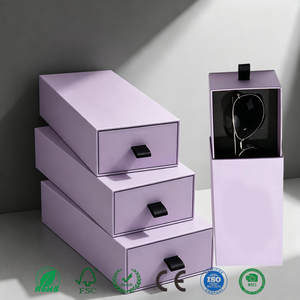
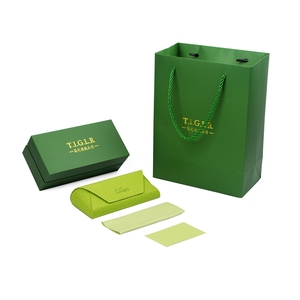
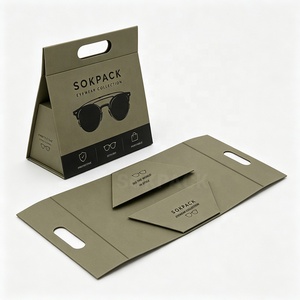
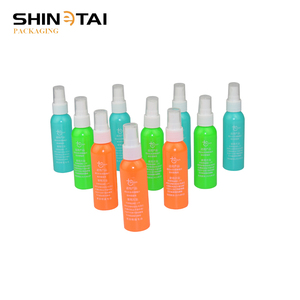
Independent practitioners and clinic chains are moving away from piecemeal sourcing. Procurement is shifting toward bundled accessory ecosystems: color-coordinated rigid boxes, custom micro-pouches, anti-reflective safe 125ml spray solutions, and ultrasonic cleaning cloths manufactured under unified branding.
To hedge against maritime freight fluctuations and reduce inventory lead times, international buyers rely on an export hybrid: high-volume Chinese manufacturing paired with localized buffer stock facilities (such as Canadian distribution in Vaughan, ON) to ensure seamless fulfillment.
Clear, definitive answers to help B2B buyers, ophthalmic laboratory managers, and retail procurement teams spec products effectively.
Combining advanced, cost-effective manufacturing in China with responsive, localized North American logistics and dependable account management.
Unlike generic promotional fabric traders, our entire facility is engineered specifically for eyewear care, optometric equipment maintenance, and laboratory cleanroom wiping standards.
Every custom pad printing, screen printing, or heat transfer run is preceded by high-resolution photographic proofing of the actual physical product, preventing unexpected color or scale issues.
Leverage factory-direct volume pricing from our advanced manufacturing facilities in China alongside domestic Canadian buffer warehousing in Vaughan, ON, ensuring fast dispatch across North America.
Direct communication with experienced optical packaging engineers. Inquiries receive comprehensive quotations, dieline templates, and technical material certifications within one business day.
Whether you require 5,000 custom-printed microfiber cloths for an independent clinic group or high-volume wholesale export orders, our team delivers reliable precision from filament extrusion to custom delivery.