Explore our precision-manufactured reading glasses cases, maintenance kits, and dispensing accessories. Each unit is built to withstand high-volume commercial handling while aligning with international consumer safety mandates.
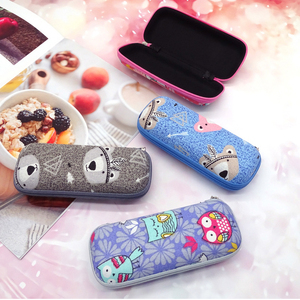
Molded high-density EVA core engineered for superior impact absorption, anti-crush resilience, and vibrant non-toxic heat-transfer custom graphics.
View Specifications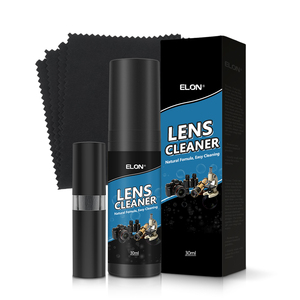
MSDS-certified surfactant formula designed specifically for anti-reflective, hydrophobic, and blue-light protective optical coatings without residue.
View Specifications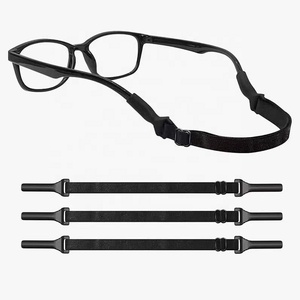
Reinforced braided polyester with medical-grade silicone grip ends, delivering high tensile strength and slip resistance during active reading or utility use.
View Specifications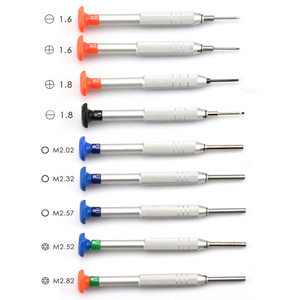
Hardened carbon steel micro-bits tailored for frame hinge fasteners, rimless mounts, and precision bridge maintenance across standard optical profiles.
View Specifications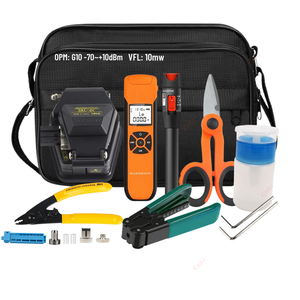
Industrial-grade instrumentation packaging and hardware assembly systems demonstrating advanced molding, casing, and protective shell capabilities.
View Specifications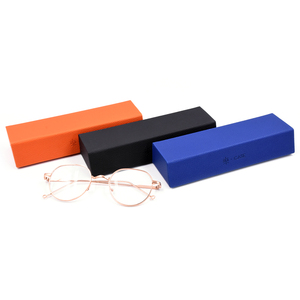
Rigid metal core clad in vegan PU leather with precision magnetic retention, velvet plush lining, and custom blind debossing for luxury optical retail.
View Specifications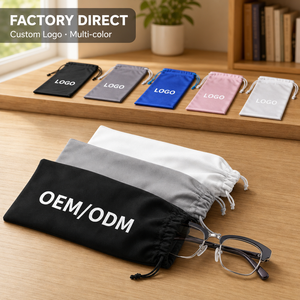
Double-faced non-abrasive microfiber weave that functions as both a lightweight slip-in carrier and an active cleaning surface for fine optical lenses.
View Specifications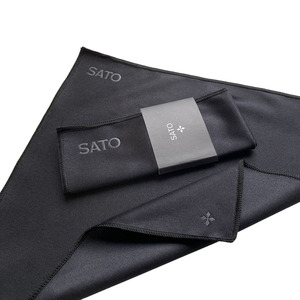
250+ GSM continuous filament optical fabric with sonic-cut anti-fray edging, offering streak-free oil trapping and high-definition screen printing.
View SpecificationsIn the modern international optical market, sourcing a CE certified reading glasses case supplier is no longer merely a procurement checkbox; it is a vital safeguard of product safety, legal compliance, and brand equity. Under the European Union Medical Device Regulation (EU MDR 2017/745), reading glasses (ready-to-wear magnifiers) are categorized as Class I medical devices. Consequently, protective enclosures, primary packaging, and maintenance accessories distributed alongside these devices must satisfy stringent material and mechanical performance criteria to ensure consumer safety and environmental responsibility.
A legally compliant reading glasses case must satisfy composite technical standards before bearing the CE mark. Chief among these is chemical biocompatibility and material safety under the EU REACH Regulation (EC) No 1907/2006. Standard cases constructed from low-grade PVC or non-stabilized polyurethanes frequently fail screening for Substances of Very High Concern (SVHC). Our audited manufacturing plants enforce strict toxicological limits:
Beyond chemical safety, physical durability forms the backbone of CE compliance. Eyewear packaging is exposed to repeated compressive forces, torsional stress, and climatic fluctuation during transit and patient use. Our testing protocols incorporate drop-ball impact resistance tests, hinge fatigue validation exceeding 20,000 cycles without spring deformation, and accelerated weather chamber exposure to confirm zero adhesive delamination between the outer cladding and structural skeletal frames.
Choosing the correct structural substrate determines not only the protective capabilities of the case but also its environmental footprint, weight profile, and brand alignment. Below is a comparative assessment of the primary architectures utilized across our OEM manufacturing lines:
| Casing Architecture | Core Substrate | Compressive Strength | Standard Lining | Applicable Branding Method | Compliance Status |
|---|---|---|---|---|---|
| Rigid Hard-Shell Metal | Tinplate / Cold-Rolled Steel Core | > 500 N Crush Resistance | Plush Velvet / Microfiber | Pad Printing, Heat Transfer, Foil Stamping | CE / REACH Compliant |
| Thermoformed Semi-Rigid | High-Density Crosslinked EVA (75D) | > 280 N Dynamic Elastic Deflection | Laminated Tricot Fabric | Silk Screen, Embossed Silicone Badge, CMYK Sublimation | CE / RoHS Certified |
| Eco-Friendly Luxury Magnetic | FSC-Certified Greyboard / Steel Reinforcement | > 350 N Edge-to-Edge Force | Suede Microfiber / Cotton Flock | Blind Debossing, Laser Engraving, Metallic Hot Foil | REACH / SVHC Cleared |
| Flexible Slip-in Pouch | Dual-Woven 250+ GSM Microfiber | High Abrasion Resistance (> 15k Martindale) | Unlined Self-Cleaning Surface | High-Density Screen Print, Woven Jacquard Label | OEKO-TEX / CE Safe |
A successful retail dispensing program depends on tailoring the protective case to the optical frame architecture and patient demographic. Rather than distributing a uniform case across all tiers, progressive optical practices segment their accessory inventory into clear therapeutic and stylistic categories:
1. Premium Progressive and Reading Glasses: For high-index, anti-reflective reading lenses, mechanical protection against torsion is critical. We recommend the Bestclean Luxury PU Leather Hard Spectacle Magnetic Box. Its precision steel skeletal casing prevents flexural forces from dislodging fine lenses, while the magnetic closure eliminates mechanical latches that may scratch frames upon opening. The soft velvet interior actively mitigates dust abrasion.
2. Pediatric and Adolescent Eye Care: Children's eyewear requires high resilience to dynamic drops and rough handling. The DOISYER Custom Wholesale Children Cartoon EVA Zipper Case provides shock attenuation through its elastic closed-cell EVA construction. The surrounding zipper ensures glasses cannot fall out inside school bags, while colorful, non-toxic exterior finishes create an approachable, positive experience for younger patients.
3. Active Utility & Second-Pair Dispensing: For backup readers, blue-light computer glasses, and reading sunglasses, the Soft Microfiber Drawstring Glasses Pouch combined with an Adjustable Sports Safety Retainer offers the optimal balance of weight, portability, and lens cleaning convenience. Patients appreciate an unbulky solution that slips easily into travel luggage or vehicle compartments.
4. Point-of-Sale Cleaning & Maintenance Bundles: Drive recurring clinic revenue and elevate patient satisfaction by dispensing custom-branded Camera Lens Spray Cleaning Kits and High-Filament Microfiber Optical Cloths. Pairing every dispensed pair of reading glasses with a chemical-safe spray prevents patients from degrading anti-glare coatings using domestic detergents or abrasive wood-pulp tissues.
At Top Flight Canada and our associated precision production hubs, we have structured our entire operational chain around the actual daily operational realities of dispensing opticians, regional retail practices, and international optical brands. Generic promotional suppliers often treat eyeglass cases as generic merchandise; we engineer them as medical and optical instruments.
We eliminate production risk. While standard vendors rely on digital mockups that mask color shift and alignment issues, we fabricate an actual physical sample and send high-resolution photographic validation of the printed proof for sign-off prior to mass production.
Every material demands a specific branding technique. We utilize specialized pad printing for rigid curved case shells, high-definition screen printing for textile microfibers, and solvent-free thermal debossing for our luxury vegan PU leather boxes.
From specialized nosepad and screw assortment repair kits to AR-safe 125 ml cleaning solutions with full MSDS documentation, we supply every accessory your dispensing counter requires from a single, audited manufacturing pipeline.
B2B procurement teams within corporate optical retail networks are facing fundamental shifts in consumer expectations, regulatory scrutiny, and supply chain logistics. Navigating the next five years requires an analytical understanding of the technological, material, and logistical trends shaping the optical case sector:
The historical reliance on petroleum-derived PVC and virgin polyurethanes is rapidly unwinding. Emerging EU directives on packaging and packaging waste (PPWR) mandate increased recycled content and recyclability. The market is aggressively shifting toward water-borne, solvent-free PU and bio-based synthetics synthesized from agricultural byproducts. Furthermore, RPET (recycled polyethylene terephthalate) microfibers derived from post-consumer plastic bottles are setting the new benchmark for case linings and lens cleaning cloths, reducing cradle-to-gate carbon emissions by up to 45% compared to virgin polyesters.
As luxury and designer reading eyewear segments expand, unauthorized grey-market diversion and counterfeiting have surged. High-end reading glasses cases are increasingly engineered with embedded NFC (Near Field Communication) tags and serialized QR micro-codes concealed beneath the inner velvet liner. This enables dispensaries and patients to authenticate the product via smartphone, access customized prescription care guides, and streamline warranty registrations directly with the optical practice.
Ocean and air freight volatility has placed structural optimization at the center of supply chain planning. Traditional bulky clamshell cases consume substantial container volume while transporting empty air. Forward-thinking procurement departments are favoring collapsible triangular prism cases that ship 100% flat from the factory floor, expanding into rigid, magnetic-locking structures only at the clinical dispensing counter. This delivers a 65% reduction in shipping volume, drastically lowering per-unit landed costs and carbon transit footprints.
Direct, technical answers addressing the critical regulatory, structural, and logistical questions encountered by wholesale procurement directors.
Partner directly with an audited CE-compliant manufacturer. Speak directly with our optical engineering and procurement specialists to request physical proofs, material swatches, and tiered contract wholesale pricing.
Inquire Now